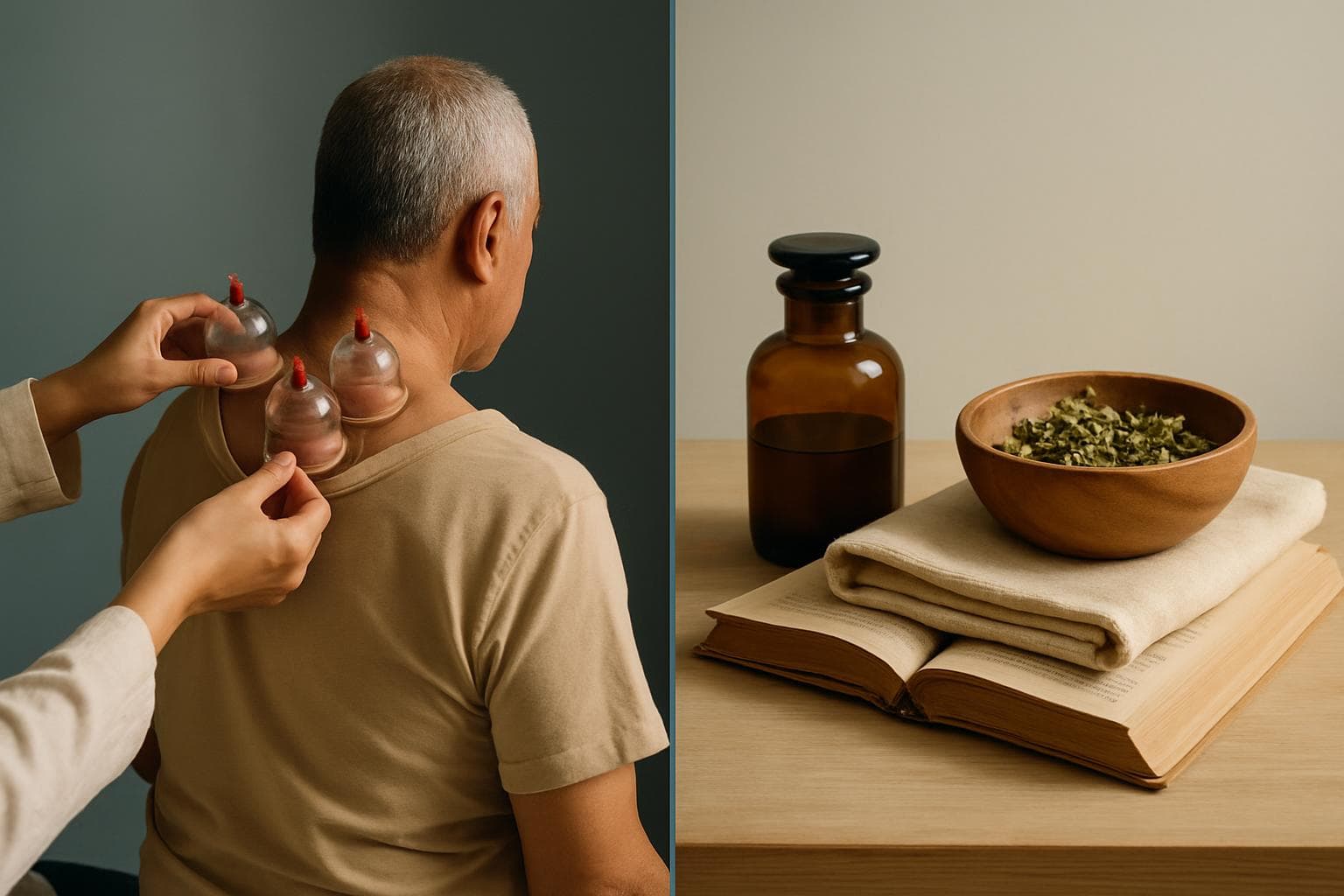

Cupping therapy, an ancient practice with roots in traditional Chinese medicine, has gained popularity in recent years for its potential therapeutic benefits. This guide provides a step-by-step approach to understanding cupping, including what to expect, how to prepare, and when to seek professional assistance.
What is Cupping Therapy?
Cupping involves placing cups on the skin to create suction, which can help relieve muscle tension, improve blood flow, and promote relaxation. It's commonly used by athletes and individuals seeking relief from pain, inflammation, and stress. While many report positive outcomes, it's essential to understand that results can vary, and not everyone may experience the same benefits.
Step-by-Step Guide to Cupping
Follow these steps to effectively prepare for and perform cupping therapy:
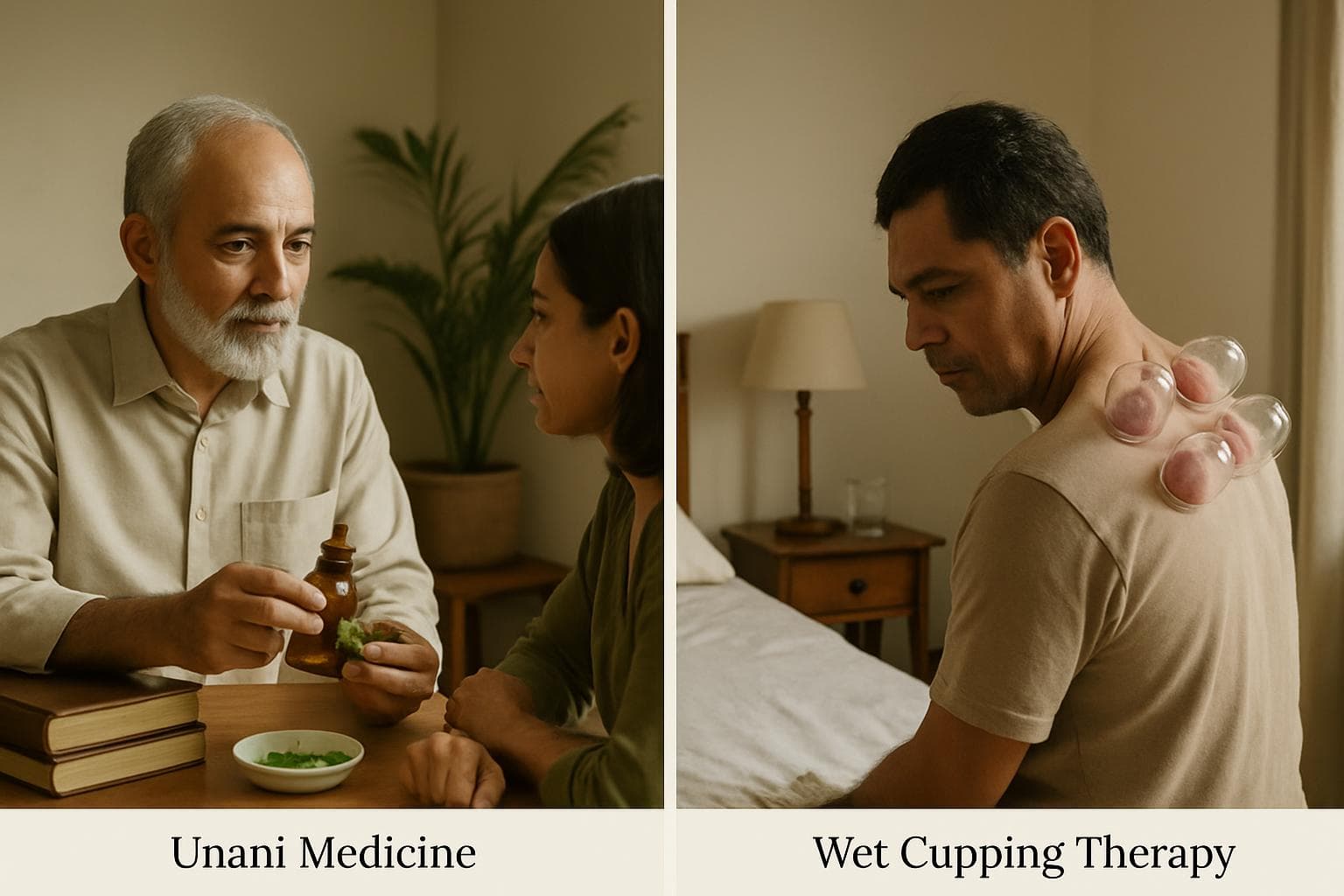
- Research and Choose the Right Type: There are several types of cupping, including dry cupping and wet cupping. Dry cupping creates suction without puncturing the skin, while wet cupping involves small incisions. Choose based on your comfort level and needs.
- Gather Supplies: You'll need cups (silicone, glass, or bamboo), a heat source or pump, and optional essential oils or creams for added benefits.
- Prepare the Area: Ensure a clean, comfortable environment. Lay down a towel to catch any drips, and have everything you need within reach.
- Apply Oil (Optional): For better cup movement, apply a light layer of oil on the skin. This is especially useful for sliding cupping techniques.
- Placement of Cups: Start with a few cups on the desired area, typically on the back or shoulders. Make sure to avoid bony areas and sensitive spots.
- Time and Monitor: Leave the cups on for 5 to 15 minutes, depending on your comfort. Monitor how you feel throughout the process.
- Aftercare: After removing the cups, clean the skin and hydrate. Gentle stretching can enhance the effects of the therapy.
Common Mistakes to Avoid
To ensure a safe and effective cupping experience, avoid these common pitfalls:
- Not researching or understanding the different types of cupping.
- Using cups that are too large or applying excessive suction.
- Ignoring personal comfort and pushing through pain.
- Neglecting to clean the area before and after treatment.
When to Seek Professional Help
Cupping can be safely performed at home, but there are circumstances where professional care is advisable:
- If you have chronic pain or underlying health conditions that may complicate treatment.
- When experiencing severe discomfort or adverse reactions during or after cupping.
- If symptoms persist or worsen following a cupping session.
Remember, it’s always best to consult with a qualified healthcare professional to assess your individual needs and safety.
In conclusion, cupping can be a beneficial addition to your wellness routine when performed correctly. By understanding the techniques, adhering to safety measures, and knowing when to seek help, you can enhance your wellness journey with this ancient practice.