In the ever evolving field of longevity science, one molecule has been quietly gaining attention: spermidine. Naturally present in foods like wheat germ, soybeans, mushrooms, and aged cheese, spermidine is a polyamine that plays a crucial role in cellular health and renewal.
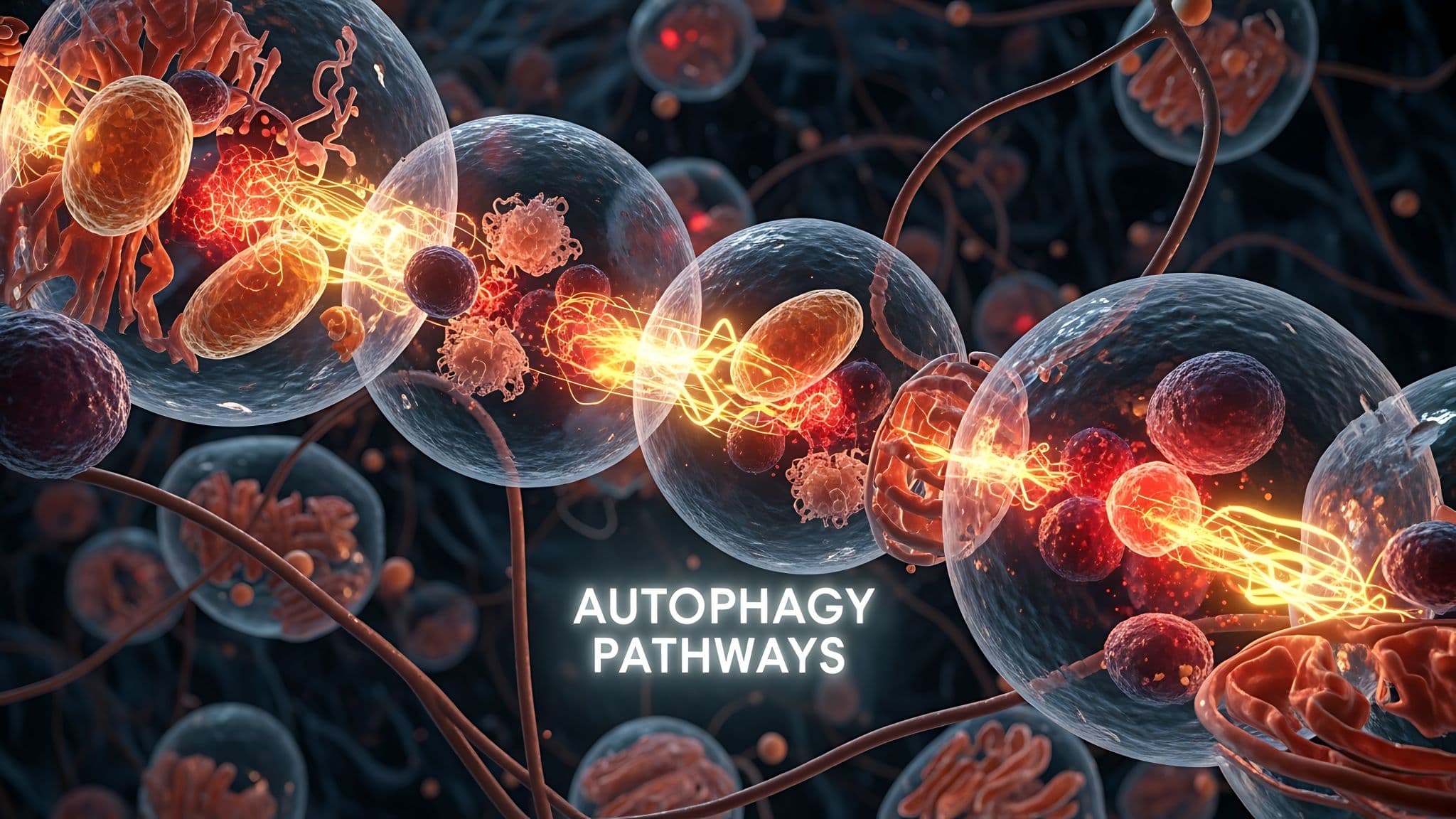
What makes spermidine particularly fascinating is its strong link to autophagy the body’s internal “recycling system.” Autophagy is the process by which cells remove damaged components, misfolded proteins, and dysfunctional organelles. This cleanup mechanism is essential for maintaining cellular integrity and has been closely associated with increased lifespan and reduced risk of age-related diseases.
As we age, autophagy activity tends to decline. This is where spermidine comes in. Research suggests that spermidine can stimulate autophagy, effectively helping cells maintain their function and resilience over time. By promoting this process, spermidine may contribute to healthier aging, improved cardiovascular function, and even neuroprotection.
What’s particularly compelling is that spermidine mimics some of the biological effects of caloric restriction one of the most well-documented interventions for extending lifespan. However, unlike strict dietary restriction, increasing spermidine intake through nutrition or supplementation may offer a more practical and sustainable approach.
While the science is still developing, early findings are promising and position spermidine as a key player in the future of preventive health and longevity strategies.
The takeaway? Supporting your body’s natural autophagy processes could be one of the most powerful ways to age better and spermidine might be part of that equation.