In the quest for holistic health solutions, many individuals explore various traditional therapies. Wet cupping therapy, known as Hijama, and Unani medicine are two approaches that have garnered attention for their potential benefits. Understanding what each offers, how they intersect, and their unique characteristics can help you make a more informed choice.
What is Wet Cupping Therapy (Hijama)?
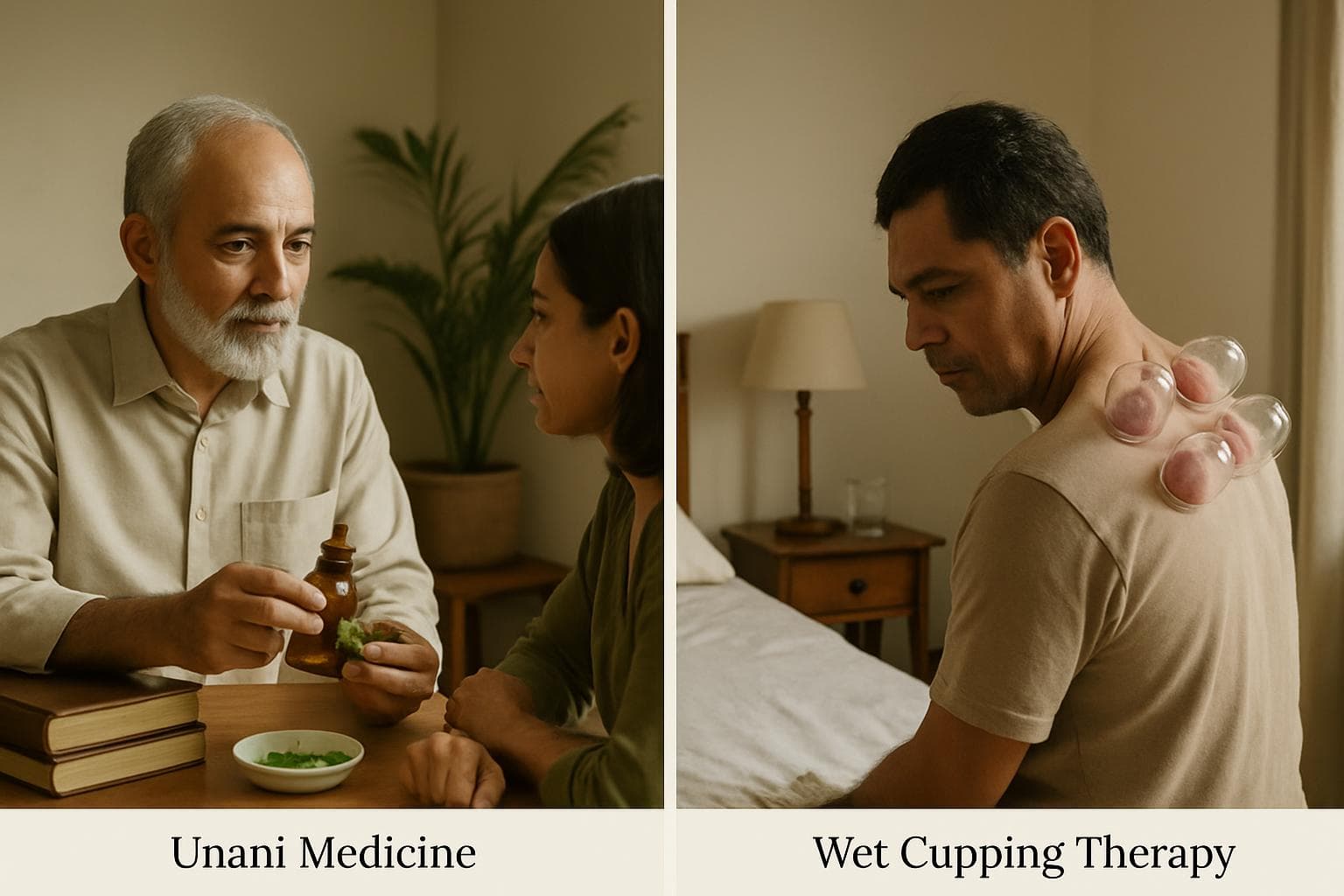
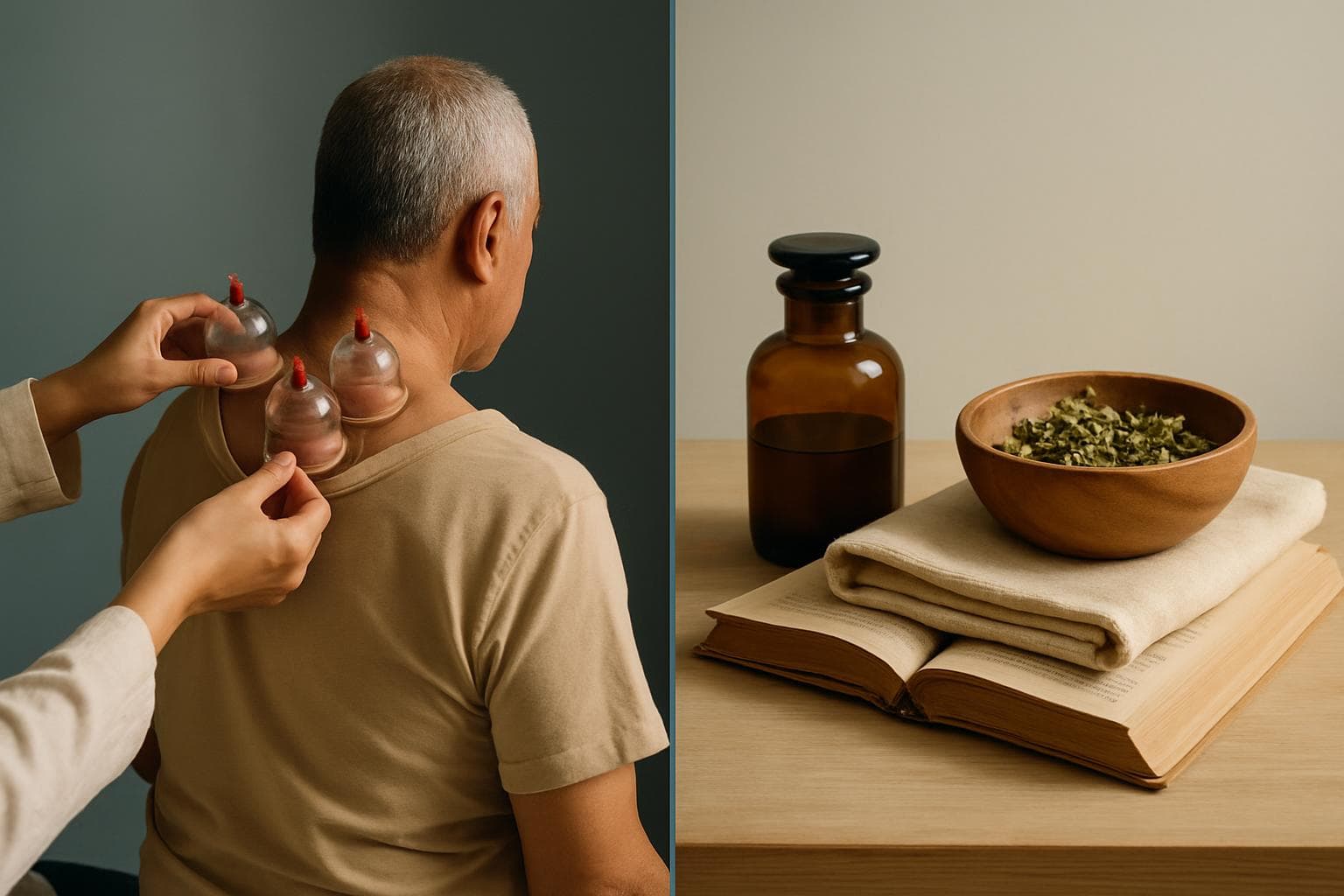
Wet cupping therapy, or Hijama, involves creating a vacuum on the skin using cups, followed by controlled incisions to draw out a small amount of blood. This therapy is rooted in ancient practices and is believed to help with detoxification, pain relief, and improved circulation. It is often sought for conditions like muscle pain, headaches, and certain skin issues.
What is Unani Medicine?
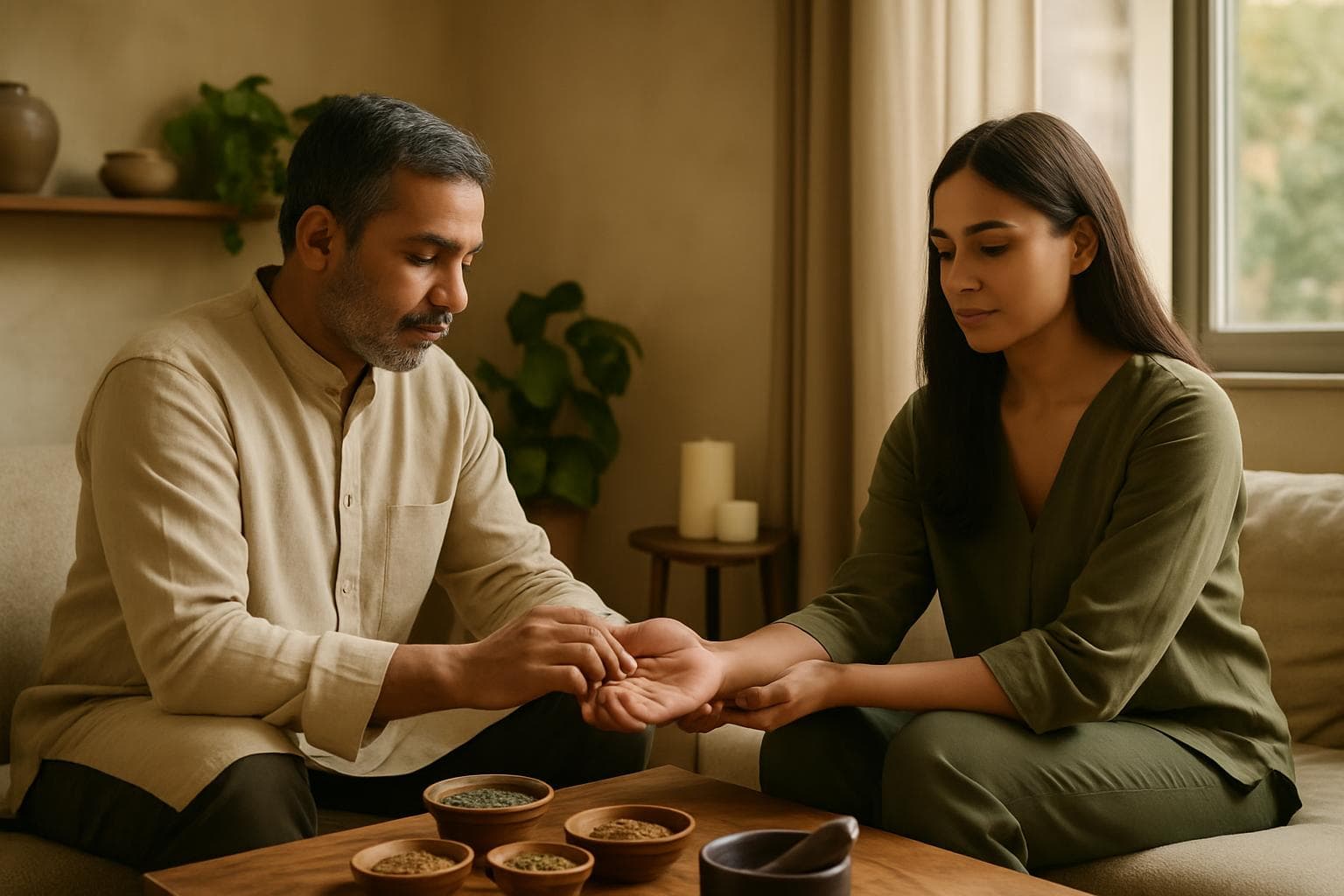
Unani medicine is a holistic healthcare system that originated in ancient Greece and was developed in the Islamic world. It focuses on balancing the body's four humors—blood, phlegm, yellow bile, and black bile. Unani practitioners use a variety of treatments, including herbal remedies, dietary changes, and therapeutic procedures, to promote health and treat diseases. It is used for a wide range of issues, including chronic conditions, stress, and digestive problems.
Comparative Overview: Overlaps and Differences
While both Wet cupping therapy and Unani medicine aim to enhance health and well-being, they differ in their methodologies and underlying philosophies:
- Approach: Hijama focuses on physical interventions through cupping, while Unani emphasizes a broader holistic approach, integrating lifestyle, diet, and herbal treatments.
- Philosophy: Hijama primarily targets blood circulation and detoxification, while Unani seeks to restore balance among bodily humors.
- Conditions Treated: Hijama is often selected for acute pain and localized issues, while Unani is suitable for chronic and systemic conditions.
Both therapies, however, share a common goal of promoting overall wellness and can complement each other in some treatment plans.
Who Can Benefit from Each Therapy?
Wet cupping therapy may be beneficial for individuals seeking immediate relief from muscle tension, headaches, or localized pain. Conversely, Unani medicine may appeal to those looking for a comprehensive approach to chronic health conditions, lifestyle management, or preventive care.
How to Decide Which Therapy to Explore First
When considering whether to pursue Wet cupping therapy or Unani medicine, reflect on the following:
- Your Health Goals: Identify whether you seek immediate symptom relief or a holistic approach to long-term health.
- Your Medical History: Consider any chronic conditions that may require a more comprehensive treatment plan.
- Consultation: Speak with a qualified healthcare professional to discuss your symptoms and explore the best options for your situation.
Ultimately, both therapies offer unique benefits and can be valuable in different contexts. It may also be worthwhile to explore a combination of both under the guidance of a knowledgeable practitioner.
As always, if symptoms persist, worsen, or you require a thorough assessment, consulting a qualified professional is recommended.