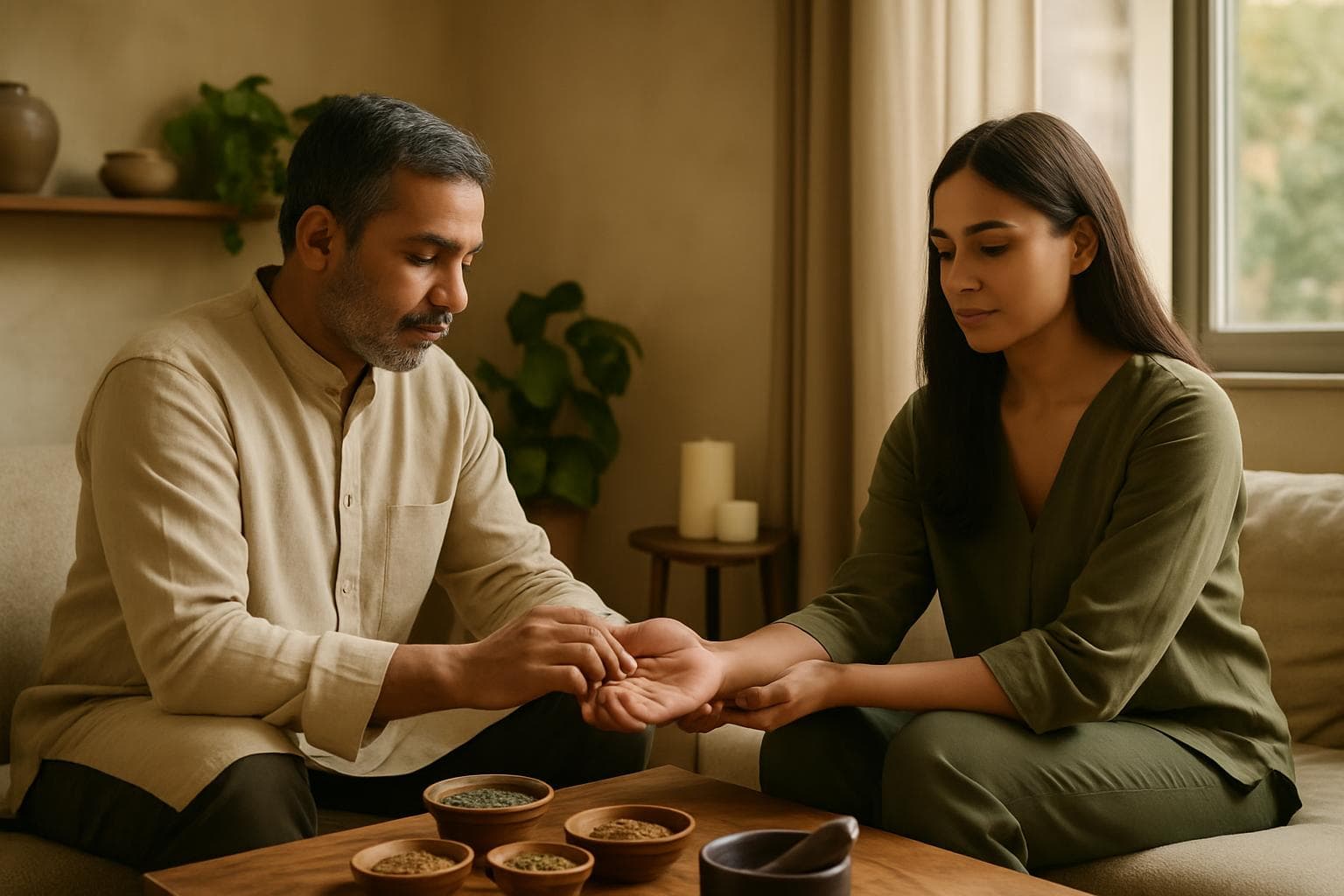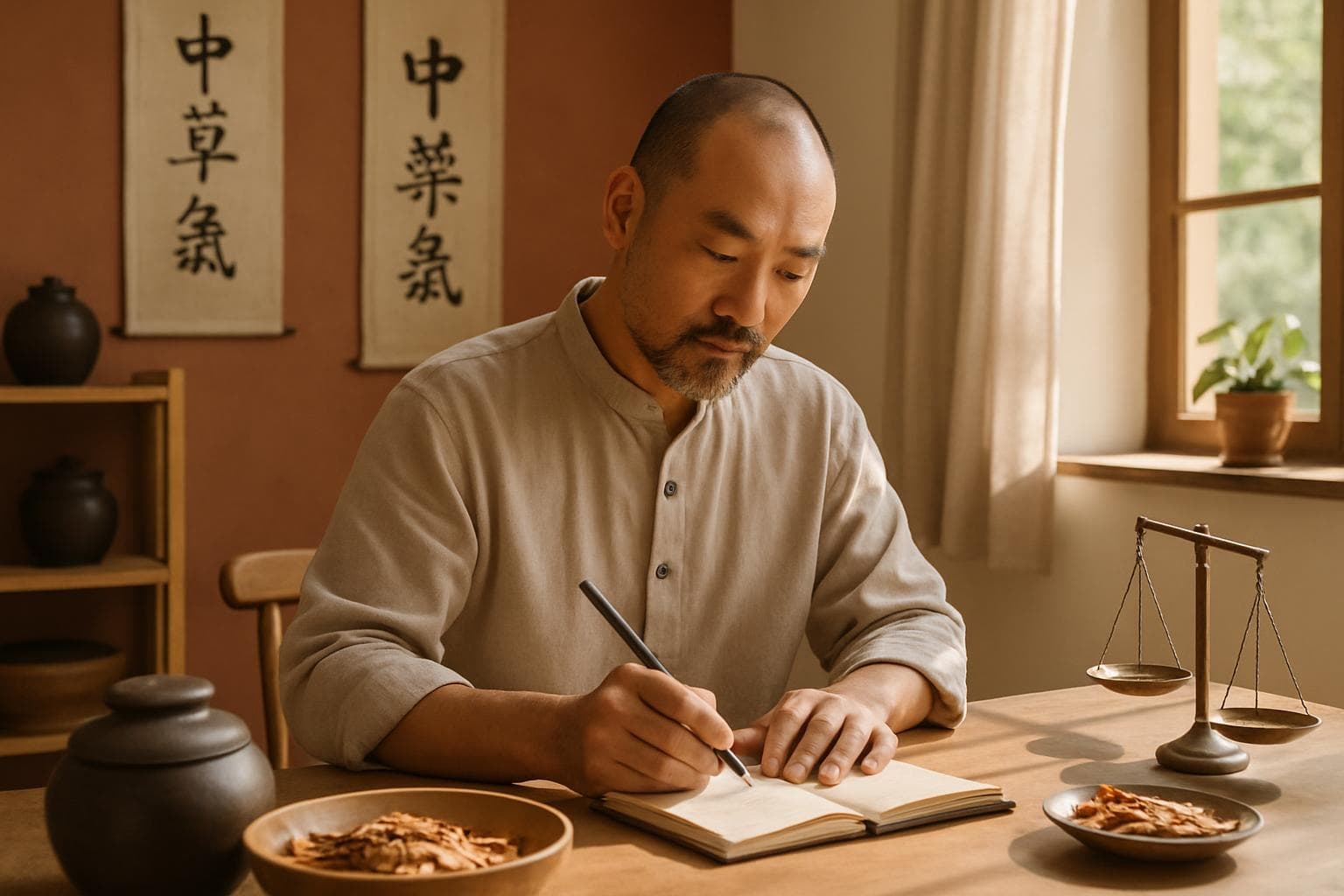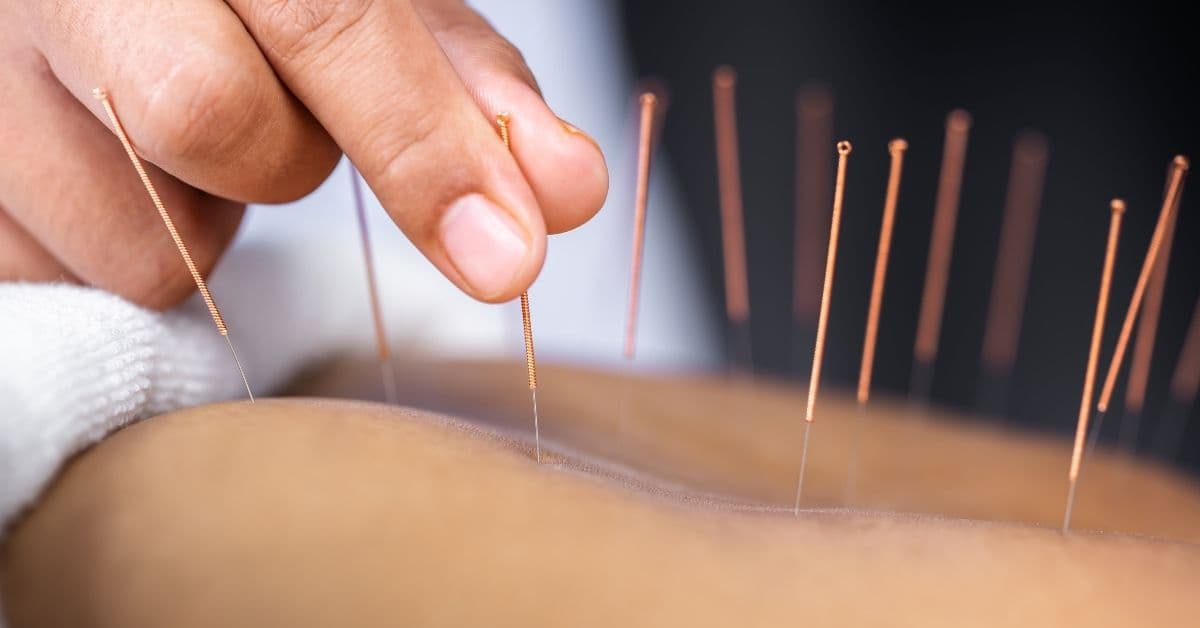

Traditional medicine, often referred to as alternative or complementary medicine, includes various practices and therapies that have been handed down through generations. These methods may include herbal remedies, acupuncture, and other holistic approaches that aim to treat the whole person rather than just symptoms. As the interest in holistic health continues to grow, many individuals are considering incorporating traditional medicine into their wellness routines.
Understanding Traditional Medicine
At its core, traditional medicine is built upon the understanding that health is influenced by a variety of factors, including physical, emotional, and spiritual well-being. Various cultures have developed their own systems of traditional medicine, which often include:
- Herbal medicine using plants and natural substances
- Acupuncture and acupressure techniques
- Homeopathy focusing on the body's ability to heal itself
- Ayurveda, an ancient Indian practice that emphasizes balance
- Traditional Chinese Medicine (TCM), which includes practices like tai chi and qi gong
Potential Benefits of Traditional Medicine
Many individuals turn to traditional medicine for its potential benefits, which may include:
- Holistic approach: Addresses physical, mental, and emotional aspects of health
- Personalized treatment: Tailored to individual needs and preferences
- Focus on prevention: Encourages lifestyle changes to promote long-term wellness
- Less invasive: Many traditional therapies are non-invasive and have fewer side effects
Limitations and Considerations
While traditional medicine can offer numerous benefits, it also has limitations that individuals should consider:
- Lack of scientific validation: Many traditional practices have not been rigorously studied
- Potential interactions: Herbal remedies may interact with prescribed medications
- Not a substitute for conventional treatment: Serious conditions require professional medical assessment
- Variability in quality: The effectiveness of traditional remedies can vary widely
When to Seek Professional Assessment
Before incorporating traditional medicine into your health regimen, it is crucial to consult with a qualified healthcare provider, especially if you experience:
- Chronic health conditions
- Symptoms that persist or worsen
- Unexplained pain or discomfort
- Changes in medication or health status
Seeking professional advice ensures that any new treatments do not interfere with existing medical care and that you receive a comprehensive approach to your health.
In conclusion, traditional medicine offers a diverse array of practices that can complement your health journey. While it can provide valuable insights and benefits, it is essential to remain informed about its limitations and to seek professional guidance when necessary. This balanced approach can help you make educated decisions about your health and wellness.
Disclaimer: Consulting a qualified professional may be appropriate when symptoms persist, worsen, or need assessment.