Origins and Philosophy
Traditional Chinese Medicine (TCM) forms the foundation of acupuncture. According to TCM, the body contains an energy force known as Qi (pronounced “chee”), which flows through pathways called meridians. Illness is believed to occur when Qi becomes blocked or imbalanced.
Acupuncture aims to:
Restore the smooth flow of Qi
Rebalance the body’s systems
Enhance natural healing mechanisms
Although Qi and meridians are cultural concepts, acupuncture has earned global respect due to its physiological effects and growing scientific support.
How Acupuncture Works (Modern Perspective)
While traditional explanations focus on energy flow, modern research suggests acupuncture may work through several mechanisms:
1. Nervous System Activation
Acupuncture points are often located near nerves. Needle stimulation can:
Trigger nerve signals to the brain
Release neurotransmitters (serotonin, endorphins)
Reduce pain perception
2. Improved Blood Flow
Needle insertion increases microcirculation, supporting tissue repair.
3. Anti-Inflammatory Effects
Studies show acupuncture can reduce inflammatory markers in the body.
4. Muscle and Fascia Relaxation
Targeted needling helps release tension in muscles and connective tissues.
Common Techniques
While traditional needling is the most widely known, several variations exist:
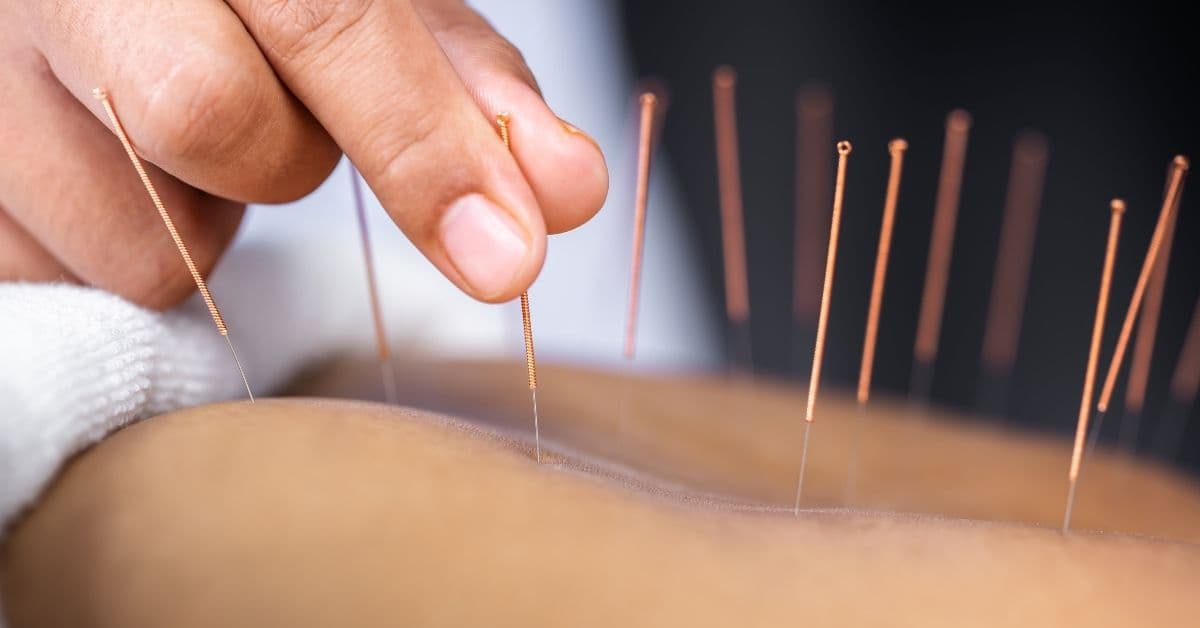
Manual acupuncture – thin needles inserted and gently manipulated
Electroacupuncture – small electrical currents passed through needles
Acupressure – pressure applied to acupuncture points without needles
Moxibustion – warming acupuncture points with burning moxa (herb)
Auricular acupuncture – focusing on points in the ear
Conditions Acupuncture May Help With
Research and clinical experience suggest acupuncture can benefit:
Pain Conditions
Chronic back pain
Neck and shoulder pain
Osteoarthritis
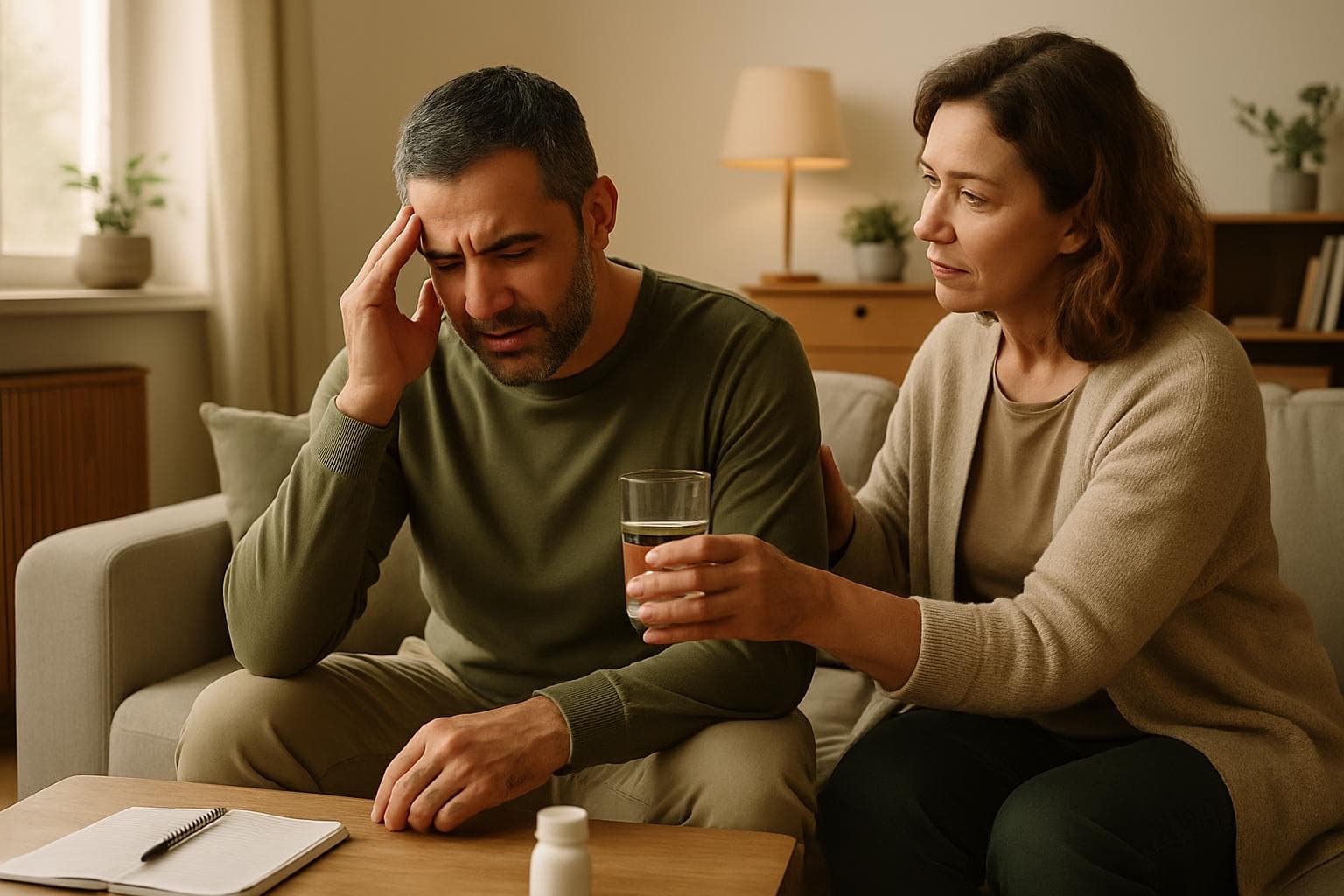
Migraines and tension headaches
Sciatica
Temporomandibular joint (TMJ) pain
Mental and Emotional Health
Stress and anxiety
Mild to moderate depression
Insomnia
Digestive and Metabolic Issues
Irritable bowel syndrome (IBS)
Nausea and vomiting (especially from chemotherapy or pregnancy)
Women’s Health
Menstrual cramps
Fertility support
Symptoms of menopause
While not a cure-all, acupuncture is often used as part of a broader treatment plan.
Safety and What to Expect
When performed by a licensed practitioner, acupuncture is generally safe. Needles are sterile, single-use, and extremely thin—many people feel only a slight pinch or no pain at all.
Common sensations:
Warmth
Tingling
Heaviness
Mild achiness
Possible side effects (usually mild):
Light bruising
Temporary soreness
Fatigue or relaxation afterward
Acupuncture should be avoided or modified for certain conditions (bleeding disorders, pregnancy, certain medications), so a thorough consultation is essential.
The Growing Role of Acupuncture in Modern Healthcare
Many hospitals, pain clinics, and integrative medical centers now include acupuncture as part of multidisciplinary care. Organizations such as the World Health Organization and the National Institutes of Health recognize acupuncture’s usefulness—especially for pain management.
Its nonpharmaceutical approach makes it valuable in reducing dependency on medications, including opioids.