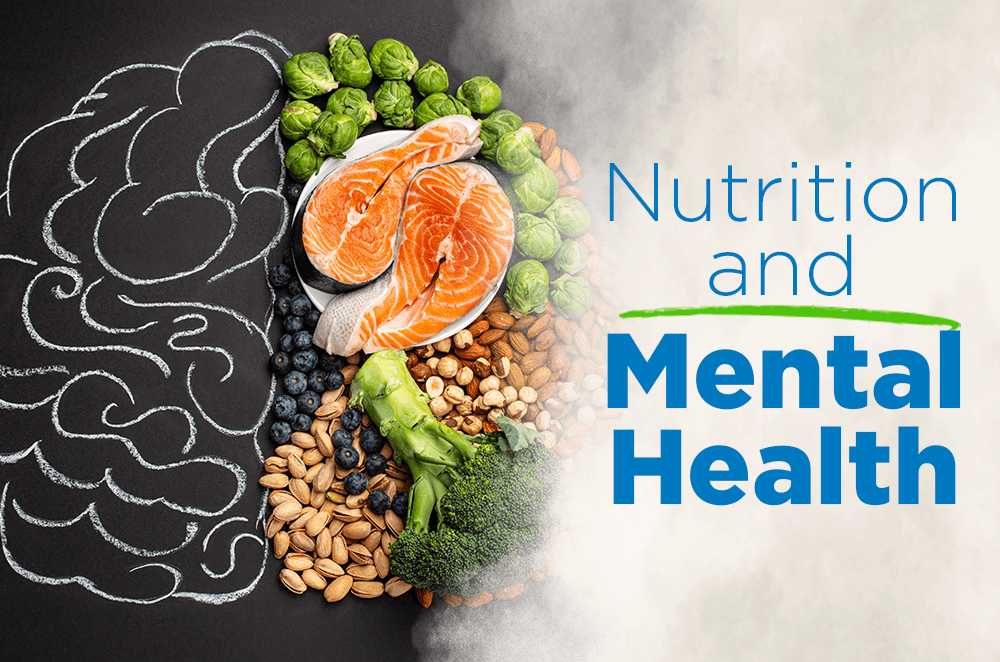

Nutrition and diet play a crucial role in promoting overall health and well-being. Understanding the science behind what we eat can empower individuals to make informed choices that enhance their quality of life. This article delves into what nutrition and diet entail, who can benefit from them, and the key advantages and limitations associated with dietary changes.
What Are Nutrition and Diet?
Nutrition refers to the process of obtaining the food necessary for health and growth, while diet specifically pertains to the kinds of food that a person habitually consumes. Together, they influence our physical health, mental well-being, and even our emotional state. A balanced diet typically includes a variety of foods rich in essential nutrients, such as vitamins, minerals, proteins, fats, and carbohydrates.
Who Can Benefit from Dietary Changes?
Almost everyone can benefit from a thoughtful approach to nutrition and diet. Individuals seeking to:
- Manage weight
- Improve energy levels
- Enhance athletic performance
- Support recovery from illness
- Prevent chronic diseases
may find that adopting a healthier diet can significantly impact their health. Whether you are looking to maintain your current health or make substantial changes, understanding nutrition can provide valuable insights.
Key Benefits and Limitations of Nutrition & Diet
Making dietary adjustments can lead to several key benefits, including:
- Improved physical health and disease prevention
- Increased energy and improved mental clarity
- Better weight management
- Enhanced mood and emotional well-being
However, it is essential to recognize the limitations:
- Not all diets work for everyone; what suits one individual may not be effective for another.
- Some diets may require careful planning to avoid nutritional deficiencies.
- Rapid changes in diet can lead to temporary discomfort or health issues.
When to Seek Professional Guidance
Before making significant changes to your diet, it may be wise to consult with a nutritionist or healthcare provider, especially if you have underlying health conditions or specific dietary needs. Professional assessment is particularly important if you experience:
- Persistent digestive issues
- Unexplained weight loss or gain
- Chronic fatigue
- Food allergies or intolerances
These professionals can provide tailored advice that considers your health history and lifestyle, ensuring that your dietary choices support your overall wellness.
In conclusion, nutrition and diet are foundational elements of a healthy lifestyle. By understanding their importance and seeking guidance when necessary, you can make informed choices that enhance both your physical and mental well-being. Remember, consulting a qualified professional may be appropriate when symptoms persist, worsen, or need assessment.