Introduction
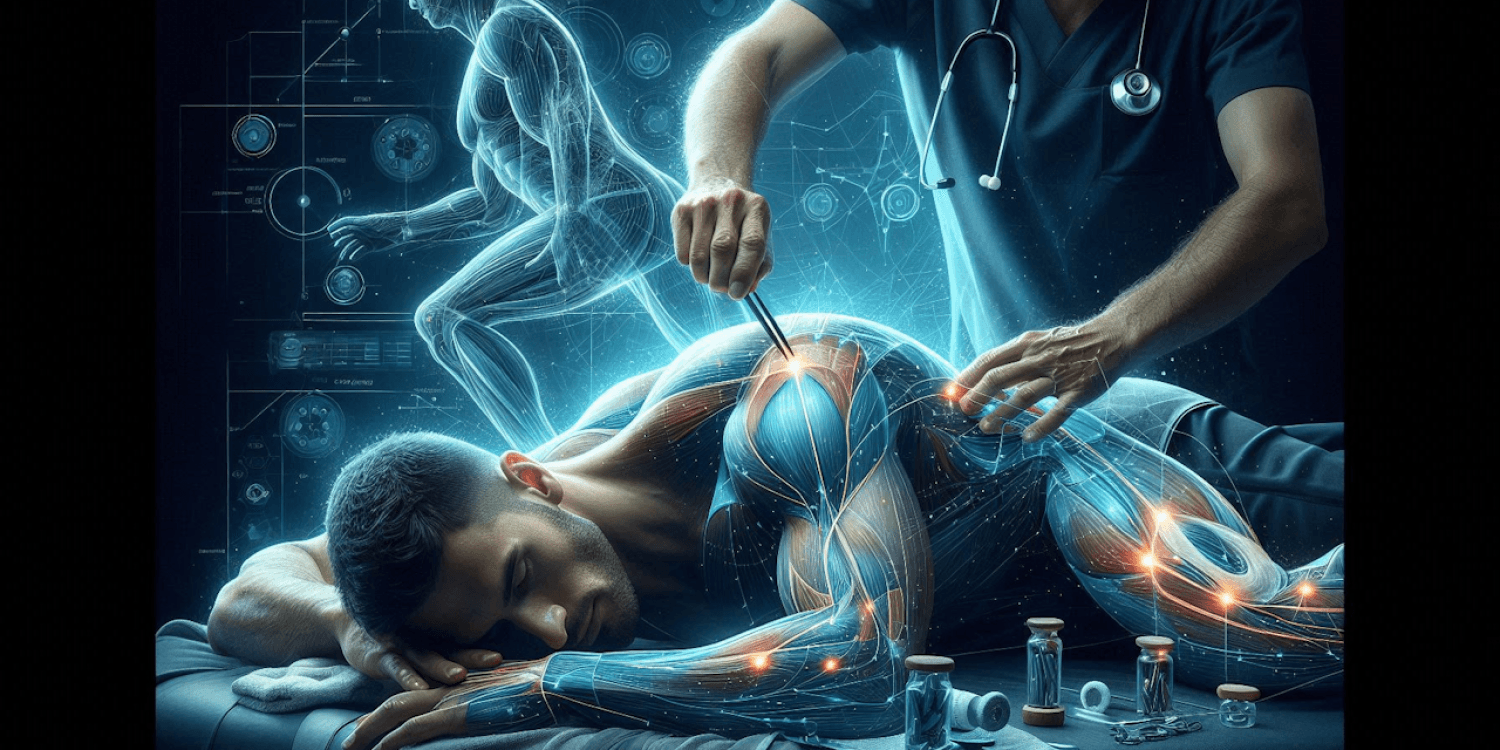
When people hear "sports massage," they often think of professional athletes preparing for a big game. However, sports massage therapy is much more accessible and beneficial for a wide range of individuals. Designed to address soft tissue pain, injuries, and tension, this therapy plays a crucial role in recovery, performance enhancement, and injury prevention. In this article, we’ll explore the key benefits of sports massage for both athletes and non-athletes alike.
What is Sports Massage Therapy?
Sports massage therapy is a specialized form of massage that focuses on manipulating soft tissues—muscles, tendons, ligaments, and fascia—used during physical activity. Unlike relaxation massage, sports massage uses deeper pressure, targeted techniques, and stretching to address specific muscle groups that are overused or strained.
It is commonly used before, during, and after sports events, but it is equally effective for people experiencing repetitive strain injuries or muscle tension from everyday activities.
Benefits for Athletes
Enhanced Performance:
Regular sports massages can help maintain muscle flexibility and reduce muscle stiffness, leading to improved athletic performance.
Injury Prevention:
By identifying tight areas and addressing muscular imbalances early, sports massage can prevent injuries like strains, sprains, and overuse injuries.
Faster Recovery:
Post-competition massages promote blood circulation, help remove metabolic waste, and accelerate the healing process after intense physical exertion.
Pain Reduction:
Sports massage can significantly reduce delayed onset muscle soreness (DOMS) that athletes often experience after heavy training sessions.
Mental Focus and Relaxation:
Beyond physical benefits, sports massage helps reduce stress and anxiety, promoting mental clarity and better focus during competition.
Benefits for Non-Athletes
Relief from Postural Stress:
Office workers, drivers, and individuals with sedentary lifestyles often suffer from posture-related muscle tightness. Sports massage can correct muscle imbalances caused by long hours of sitting or repetitive motions.
Chronic Pain Management:
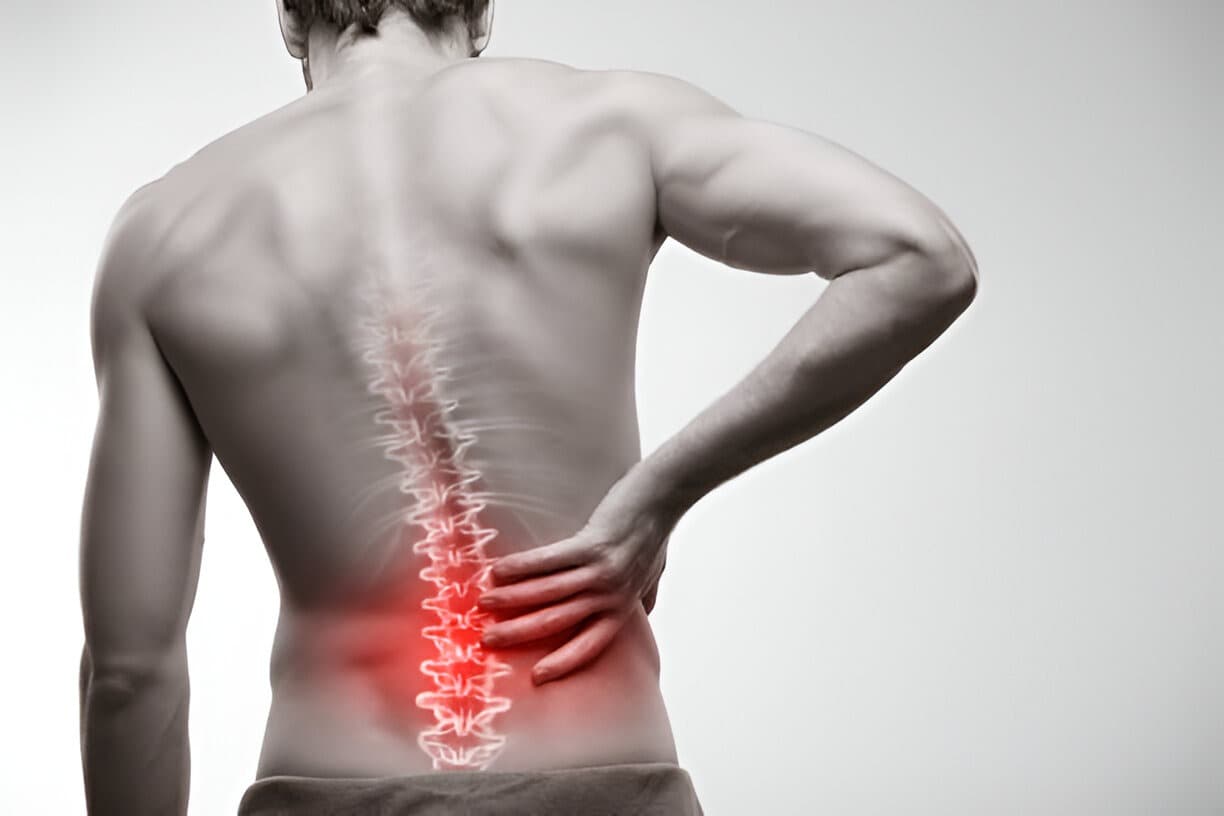
Sports massage helps alleviate chronic conditions such as lower back pain, neck tension, and sciatica.
Increased Flexibility and Mobility:
People of all fitness levels can benefit from improved range of motion, which enhances everyday activities and reduces the risk of falls or injuries.
Boosted Circulation:
Better blood flow contributes to improved tissue health and energy levels, supporting overall wellness.
Stress Reduction:
The focused techniques used in sports massage can help calm the nervous system, leading to reduced anxiety and improved sleep quality.
Common Techniques Used in Sports Massage
Sports massage therapists use various techniques, including:
- Effleurage: Light strokes to warm up muscles.
- Petrissage: Kneading motions to release muscle knots.
- Deep Tissue Pressure: Targeted pressure to break down adhesions and scar tissue.
- Stretching and Mobilization: Improving joint flexibility and muscle elasticity.
- Trigger Point Therapy: Focusing on tight areas within muscles that cause pain in other parts of the body.
The therapist adapts the technique based on the individual’s needs and goals.
When to Get a Sports Massage
- Before an athletic event to prepare muscles and increase circulation.
- After physical activity to aid recovery and reduce soreness.
- During training periods to maintain flexibility and prevent injury.
- As part of a general wellness routine for pain relief and relaxation, even without athletic participation.
Conclusion
Sports massage therapy offers valuable benefits far beyond the athletic field. Whether you’re an elite athlete, a weekend warrior, or someone looking to relieve everyday muscle tension, incorporating sports massage into your routine can lead to better physical health, faster recovery, and an improved sense of well-being. Tailored to your needs, this therapeutic approach serves as an essential tool for maintaining an active and healthy lifestyle.