Introduction
An ACL tear is one of the most common and serious knee injuries, often resulting from sports that involve sudden stops, pivots, or awkward landings. While surgery is often required to repair a torn ACL, it is the rehabilitation process that truly determines the success of recovery.
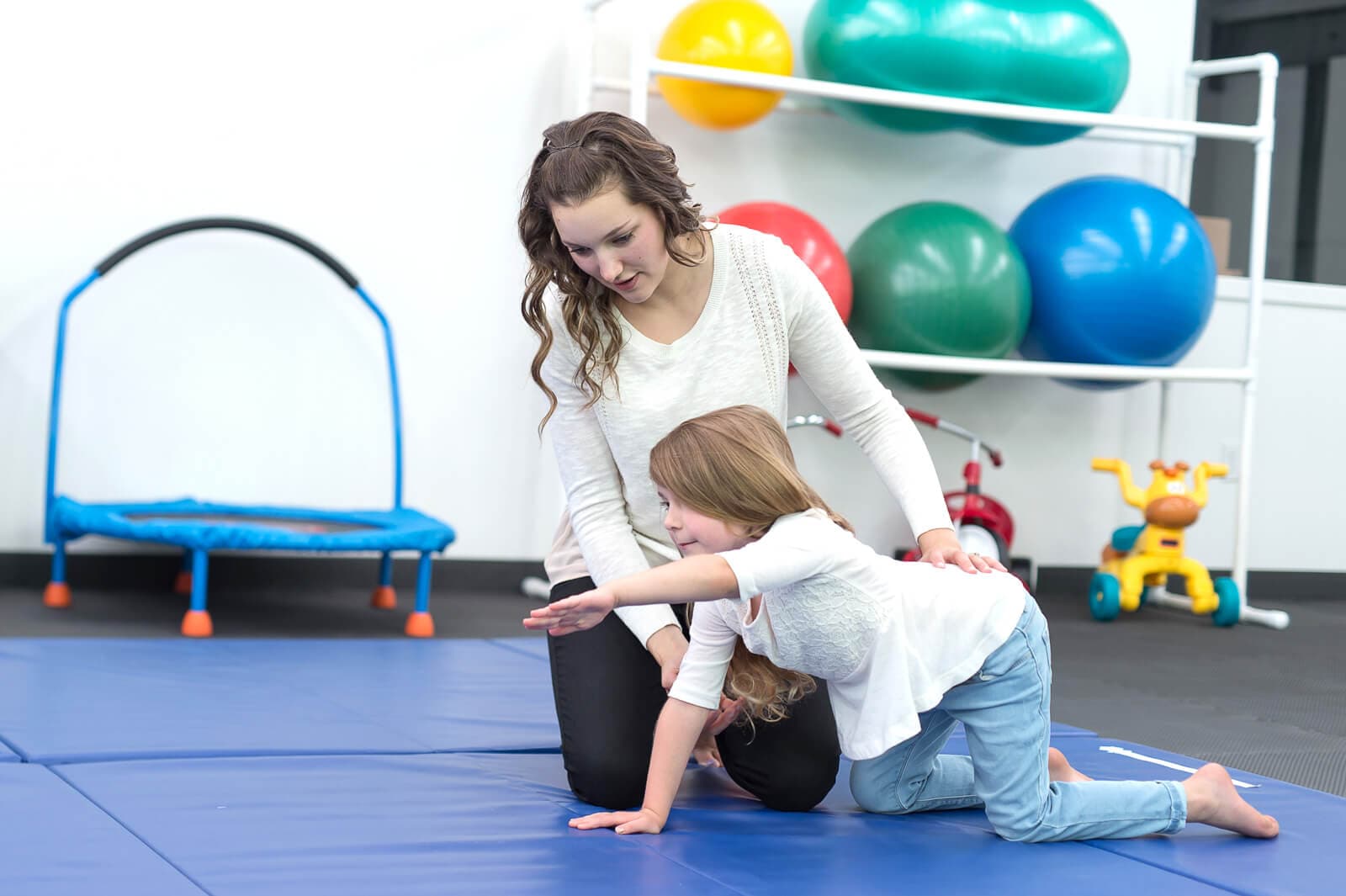
ACL rehabilitation is a structured, progressive program designed to help the knee regain stability, flexibility, strength, and function. Whether you're an athlete aiming for a return to competition or simply seeking to regain everyday mobility, understanding the rehab journey is crucial.
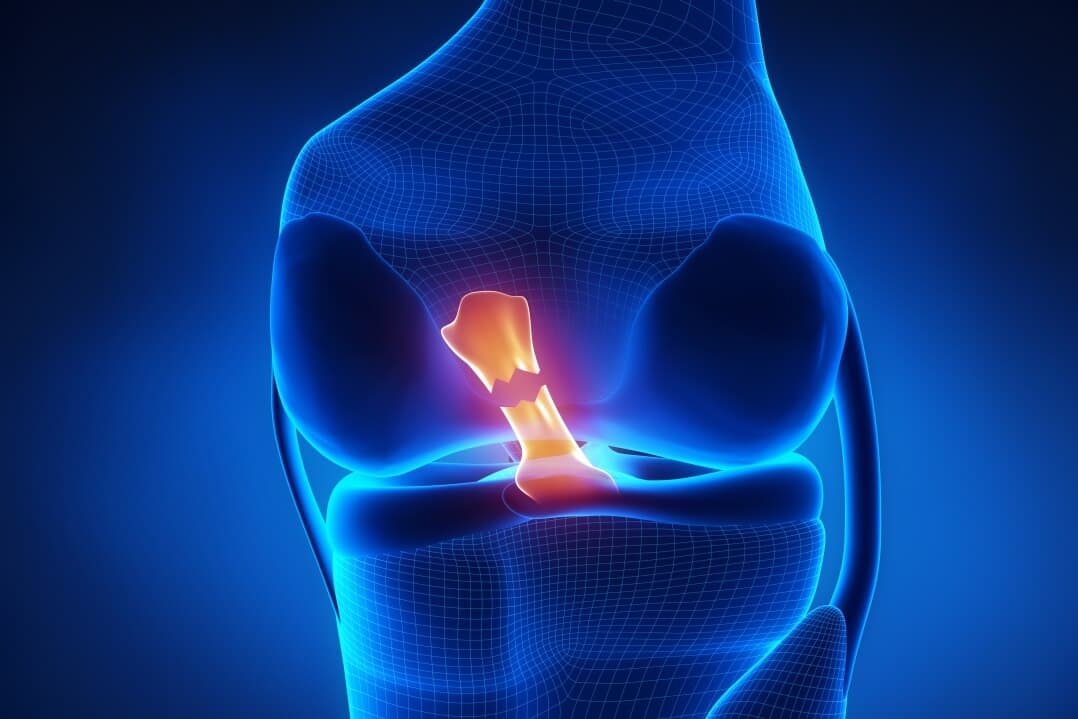
What Is the ACL and Why Is It Important?
The anterior cruciate ligament (ACL) is one of the four major ligaments in the knee, connecting the thigh bone (femur) to the shin bone (tibia). Its primary roles include:
- Stabilizing the knee joint.
- Preventing excessive forward movement of the tibia.
- Controlling rotational movements.
When the ACL is torn, the knee becomes unstable, making it difficult to perform high-demand activities and increasing the risk of further injury.
Phases of ACL Rehabilitation
1. Prehabilitation (Before Surgery)
- Goal: Reduce swelling, restore knee motion, and strengthen muscles.
- Activities: Light exercises, stationary cycling, and controlled range-of-motion movements.
2. Phase 1 (0–2 Weeks Post-Surgery)
- Focus: Protect the graft, reduce swelling, regain knee extension.
- Activities: Ice therapy, crutch-assisted walking, gentle straight-leg raises.
3. Phase 2 (2–6 Weeks Post-Surgery)
- Focus: Improve weight-bearing capacity and increase range of motion.
- Activities: Closed-chain exercises (e.g., mini-squats), balance training.
4. Phase 3 (6–12 Weeks Post-Surgery)
- Focus: Restore muscle strength and endurance.
- Activities: Stationary cycling, resistance band work, leg presses.
5. Phase 4 (3–6 Months Post-Surgery)
- Focus: Advanced strength training, neuromuscular control.
- Activities: Agility drills, light jogging, proprioception exercises.
6. Phase 5 (6–9 Months Post-Surgery)
- Focus: Return to sport or high-level activities.
- Activities: Sport-specific drills, sprinting, cutting maneuvers under supervision.
Key Goals Throughout ACL Rehabilitation
- Restore Full Range of Motion: Especially knee extension early in recovery.
- Rebuild Muscle Strength: Particularly in the quadriceps and hamstrings.
- Enhance Proprioception and Balance: To regain control and stability.
- Improve Cardiovascular Endurance: Through low-impact conditioning.
- Gradual Return to Activities: Preventing re-injury through a phased approach.
Progression is individualized and depends on healing, strength gains, and clearance from the orthopedic surgeon and physiotherapist.
Challenges and Tips for a Successful ACL Recovery
- Stay Patient: Healing takes time, often 6–12 months.
- Commit to Rehabilitation: Regular physiotherapy sessions and home exercises are vital.
- Focus on Technique: Quality of movement matters more than speed.
- Address Psychological Readiness: Fear of reinjury is common; mental preparation is part of the journey.
- Communicate with Your Care Team: Report any unusual pain, swelling, or issues immediately.
Skipping phases or returning to sport too early significantly increases the risk of re-tearing the ACL.
When Can You Return to Sports?
The decision to return to sports is based on a combination of:
- Objective strength and performance tests.
- Psychological readiness assessments.
- Functional movement evaluations.
Most patients can expect a return to competitive sports around 9 to 12 months post-surgery, but individual factors vary greatly.
Conclusion
Recovering from an ACL injury is a marathon, not a sprint. A structured, disciplined rehabilitation program is essential for healing the ligament, regaining confidence, and achieving optimal performance. By understanding each phase, setting realistic expectations, and working closely with a skilled physiotherapy team, patients can significantly increase their chances of a successful recovery and a strong, stable return to their favorite activities.