
Introduction
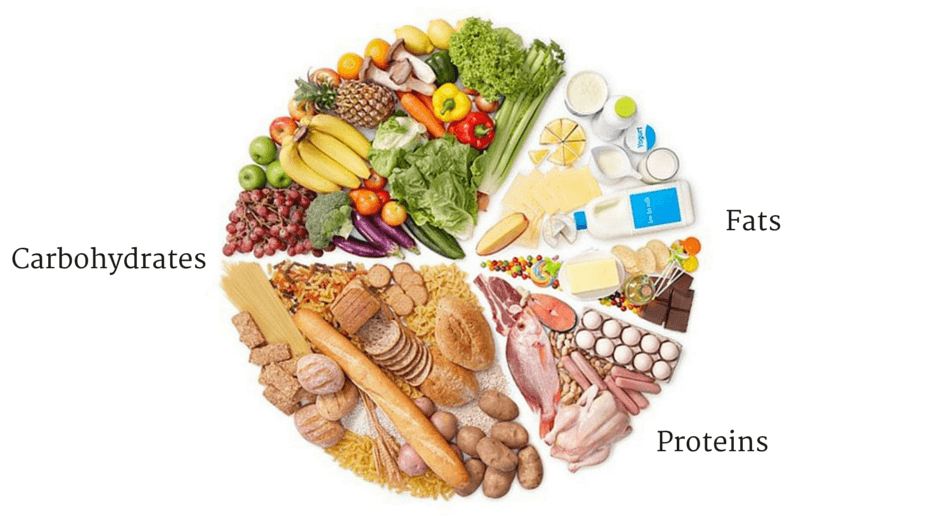
Whether you're trying to lose weight, build muscle, or simply eat healthier, understanding macronutrients is essential. Often shortened to “macros,” these nutrients—proteins, carbohydrates, and fats—provide the energy your body needs to function. But not all macros are created equal. Knowing what they are, what they do, and how much you need can transform your nutrition game.
What Are Macronutrients?
Macronutrients are nutrients that your body requires in large amounts. They serve as your body's main sources of energy and are essential for growth, repair, and overall function. The three primary macronutrients are:
- Proteins
- Carbohydrates
- Fats
Each has a unique role, and they all contribute to different processes in the body.
Proteins: The Body’s Building Blocks
Role in the body:
- Builds and repairs muscles, skin, and tissues
- Supports enzymes and hormone production
- Strengthens immune system
Sources:
- Animal: chicken, fish, eggs, dairy, beef
- Plant: lentils, chickpeas, tofu, tempeh, quinoa
How much do you need?
It varies depending on your age, gender, and activity level, but generally:
- Sedentary adults: 0.8 grams per kg of body weight
- Active individuals: 1.2–2.0 grams per kg of body weight
Tips:
- Include a protein source in every meal
- Combine plant proteins (e.g., rice + beans) for complete amino acids
Carbohydrates: Your Main Energy Source
Role in the body:
- Primary fuel for the brain and muscles
- Supports digestion through dietary fiber
- Regulates blood sugar levels
Types of carbs:
- Simple carbs (sugar, white bread, pastries): Quick energy, but can lead to crashes
- Complex carbs (whole grains, vegetables, legumes): Slower digestion, sustained energy
Best sources:
- Oats, brown rice, sweet potatoes, fruits, vegetables, legumes
How much do you need?
The Dietary Guidelines suggest that 45–65% of your daily calories come from carbohydrates.
Tips:
- Prioritize fiber-rich carbs for long-lasting energy
- Limit added sugars
Fats: Essential for Hormones and Brain Health
Role in the body:
- Absorbs fat-soluble vitamins (A, D, E, K)
- Protects organs and insulates the body
- Supports brain function and hormone production
Types of fats:
- Healthy fats (unsaturated): olive oil, avocado, nuts, seeds, fatty fish
- Unhealthy fats (saturated and trans fats): processed foods, fried items, some baked goods
How much do you need?
20–35% of your daily calories should come from fats, mostly from unsaturated sources.
Tips:
- Use olive oil instead of butter
- Snack on nuts or seeds rather than chips
- Avoid trans fats whenever possible
Balancing Your Macros
There’s no one-size-fits-all macro ratio. It depends on your personal goals:
- Weight loss: Higher protein, moderate fat, lower carbs
- Muscle gain: Higher protein and carbs, moderate fat
- Maintenance: Balanced intake of all three
You can use apps like MyFitnessPal or Cronometer to track your macros if needed, but many people succeed by focusing on whole, balanced meals without strict counting.
Common Macro Myths
“Carbs make you fat” – Only excess calories make you gain weight, not carbs alone.
“All fats are bad” – Your body needs good fats to function.
“More protein is always better” – Too much protein can stress the kidneys and isn’t necessary for most people.
Conclusion
Macronutrients are more than just calorie counts—they are essential to every function in your body. By understanding how proteins, carbs, and fats work together, you can fuel your body effectively and reach your health goals with confidence. Remember: balance, variety, and quality are key when it comes to mastering your macros.