
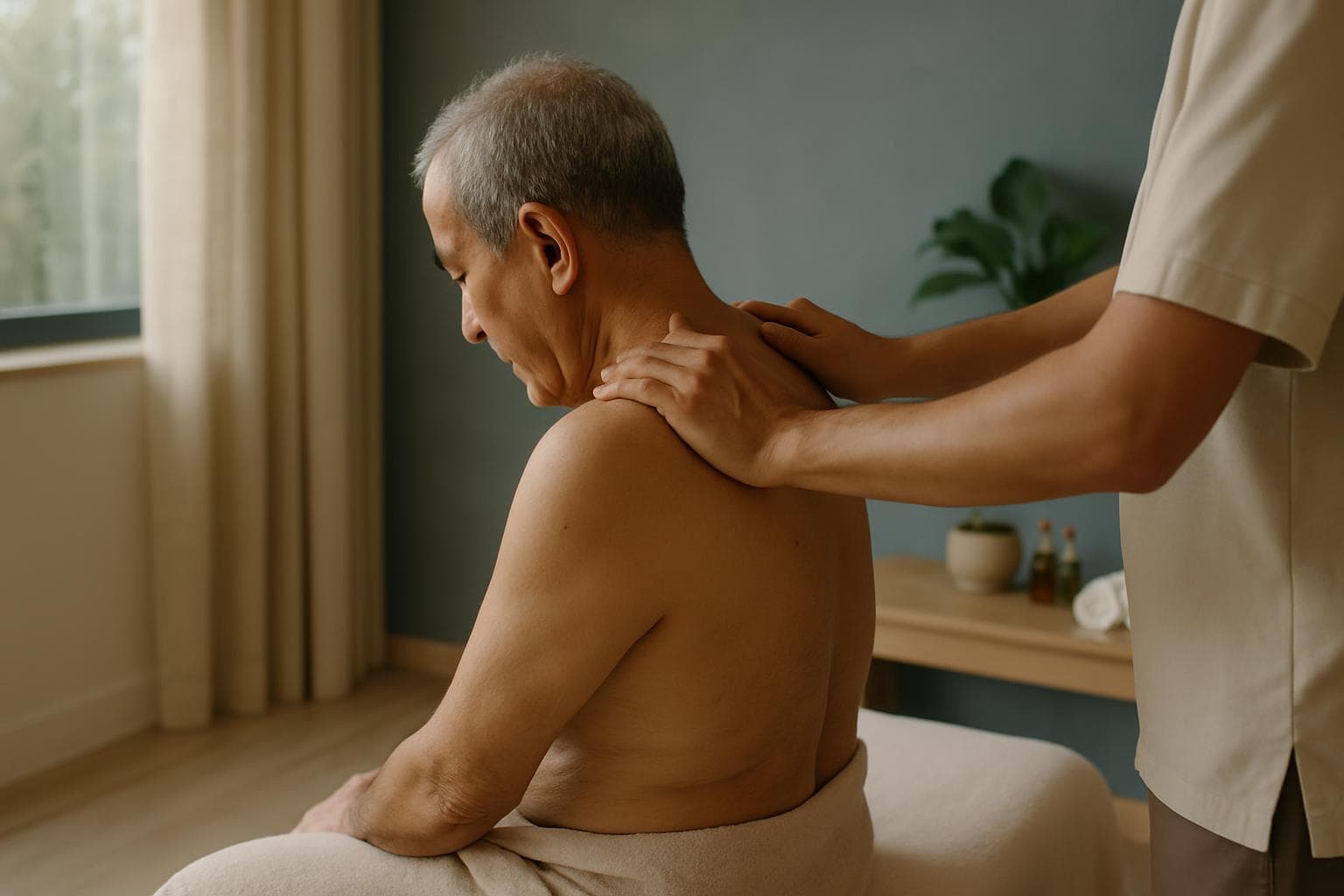
Massage therapy is a practice that falls within the broader category of holistic medicine, focusing on the interconnectedness of the body, mind, and spirit. It employs various techniques to manipulate the soft tissues of the body, aiming to enhance overall well-being and promote healing. This article delves into what massage therapy encompasses, who it may assist, common techniques used, expected outcomes, and guidance on when to consult a qualified practitioner.
What is Massage Therapy?
Massage therapy involves the manual manipulation of muscles, tendons, ligaments, and other soft tissues. It is utilized to alleviate pain, reduce stress, improve circulation, and enhance flexibility. By addressing physical and emotional well-being, massage therapy supports the body’s natural healing processes.
Who Can Benefit from Massage Therapy?
Massage therapy can be beneficial for a wide range of individuals, including:
- Those experiencing chronic pain or muscle tension
- Individuals looking to manage stress and anxiety
- Athletes seeking to enhance performance and recovery
- People recovering from injuries or surgeries
- Individuals with specific conditions such as fibromyalgia or arthritis
It is important to note that while many people may find relief and benefits from massage therapy, not everyone will experience the same results.
Common Techniques in Massage Therapy
Massage therapists employ various techniques tailored to individual needs. Some of the most common approaches include:
- Swedish Massage: A gentle technique focusing on relaxation and circulation.
- Deep Tissue Massage: Targets deeper layers of muscle and connective tissue for chronic pain relief.
- Sports Massage: Designed for athletes to improve performance and prevent injuries.
- Trigger Point Therapy: Focuses on specific tight areas within muscles to alleviate pain.
- Hot Stone Massage: Uses heated stones to relax muscles and enhance circulation.
Each technique has its unique benefits and can be selected based on individual preferences and therapeutic goals.
Expected Outcomes and When to Seek Help
Clients often report a range of positive outcomes from massage therapy, including:
- Reduced muscle tension and pain
- Improved range of motion and flexibility
- Enhanced relaxation and reduced anxiety levels
- Better sleep quality
- Increased overall sense of well-being
Individuals should consider seeking a qualified massage therapist when experiencing persistent muscle pain, high levels of stress, or if they are recovering from an injury. Consulting with a healthcare professional before beginning massage therapy is advisable, especially for those with existing medical conditions.
In conclusion, massage therapy is a valuable aspect of holistic medicine that can support a variety of health goals. Its therapeutic techniques cater to individual needs, fostering relaxation and healing. Always consult a qualified professional if symptoms persist, worsen, or require assessment for the best outcomes.
Disclaimer: This article is for informational purposes only and is not a substitute for professional medical advice. Always consult a qualified healthcare provider for any health concerns.