
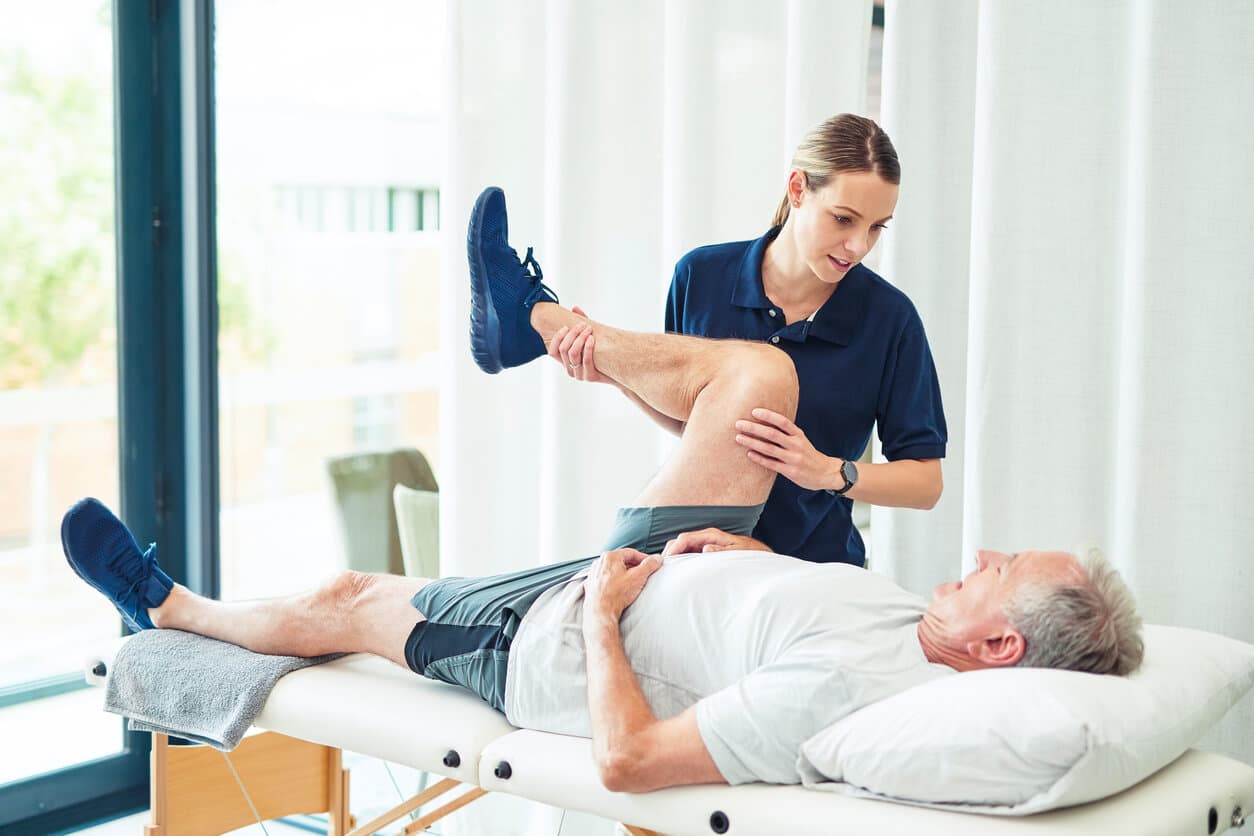
Introduction
When people think of surgery, they often focus solely on the operation itself. However, post-surgery rehabilitation plays an equally vital role in achieving a full recovery. Physiotherapy bridges the gap between surgical intervention and a return to normal life, guiding the body back to strength, mobility, and balance.
Without physiotherapy, patients risk prolonged pain, stiffness, muscle weakness, and a limited range of motion. Effective rehabilitation programs are tailored to each individual’s needs, ensuring a safe and complete recovery.
Why Is Physiotherapy Needed After Surgery?
Surgery often leads to temporary immobilization, inflammation, and tissue trauma, even when it’s successful. Physiotherapy addresses these issues by:
- Restoring Movement: Gentle, progressive exercises help regain joint flexibility and range of motion.
- Building Strength: Targeted activities rebuild muscle strength lost during immobilization.
- Preventing Scar Tissue Adhesions: Mobility exercises reduce the formation of restrictive scar tissue.
- Improving Circulation: Movement improves blood flow, promoting faster healing.
- Reducing Pain and Swelling: Techniques like manual therapy and specific modalities alleviate discomfort.
- Boosting Confidence: Guidance and support help patients overcome fear of movement post-surgery.
Types of Surgeries That Require Physiotherapy
Physiotherapy is recommended after many types of surgical procedures, including:
- Orthopedic Surgeries: ACL reconstruction, joint replacements (hip, knee, shoulder), rotator cuff repairs.
- Spinal Surgeries: Discectomy, laminectomy, spinal fusion.
- Cardiothoracic Surgeries: Heart bypass surgery, lung resections.
- Abdominal Surgeries: Hernia repairs, C-sections.
- Neurological Surgeries: Brain or spinal surgeries affecting movement and coordination.
Each surgical category has specific rehabilitation protocols designed to address unique recovery challenges.
Typical Phases of Post-Surgery Rehabilitation
1. Acute Phase (0–2 Weeks Post-Surgery)
- Goals: Pain management, gentle mobilization, swelling control.
- Activities: Passive range-of-motion exercises, breathing techniques, lymphatic drainage.
2. Subacute Phase (2–6 Weeks Post-Surgery)
- Goals: Gradual strengthening, restoring function.
- Activities: Weight-bearing exercises, balance activities, light aerobic work.
3. Functional Recovery Phase (6+ Weeks Post-Surgery)
- Goals: Return to daily activities or sport-specific movements.
- Activities: Strength training, agility drills, coordination exercises.
Progression depends on the surgery type, patient health, and healing response.
Benefits of Early Physiotherapy After Surgery
Starting physiotherapy as soon as medically approved offers several benefits:
- Faster Recovery Time: Guided exercises promote quicker healing.
- Reduced Risk of Complications: Movement helps prevent blood clots and joint stiffness.
- Better Long-Term Outcomes: Structured rehab ensures optimal joint and muscle function.
- Improved Psychological Well-being: Active participation in recovery boosts morale and motivation.
Delaying rehabilitation can lead to muscle wasting, joint contractures, chronic pain, and reduced overall function.
The Role of the Physiotherapist in Recovery
A skilled physiotherapist tailors a rehabilitation plan based on:
- The type of surgery performed.
- The patient's pre-surgery condition and fitness level.
- Post-operative protocols provided by the surgeon.
- Pain tolerance and healing progress.
Therapists use a combination of manual therapy, exercise prescription, modalities like ultrasound or TENS, and patient education to guide safe, progressive recovery.
Common Challenges and How Physiotherapy Helps Overcome Them
- Fear of Reinjury: Therapists provide controlled environments and graded exposure to movements.
- Pain Management: Techniques such as massage, electrotherapy, and specific exercises ease pain.
- Poor Motivation: Structured sessions and goal setting keep patients engaged.
- Swelling and Stiffness: Regular exercises and manual interventions combat these issues.
Effective communication between the patient, physiotherapist, and surgeon is critical for addressing any setbacks promptly.
Conclusion
Physiotherapy after surgery is not optional — it’s essential. By actively engaging in rehabilitation, patients maximize their surgery’s success, prevent complications, and regain the quality of life they seek. Trusting the process and working closely with experienced physiotherapists ensures that every step taken post-surgery is a step toward full recovery and renewed strength.