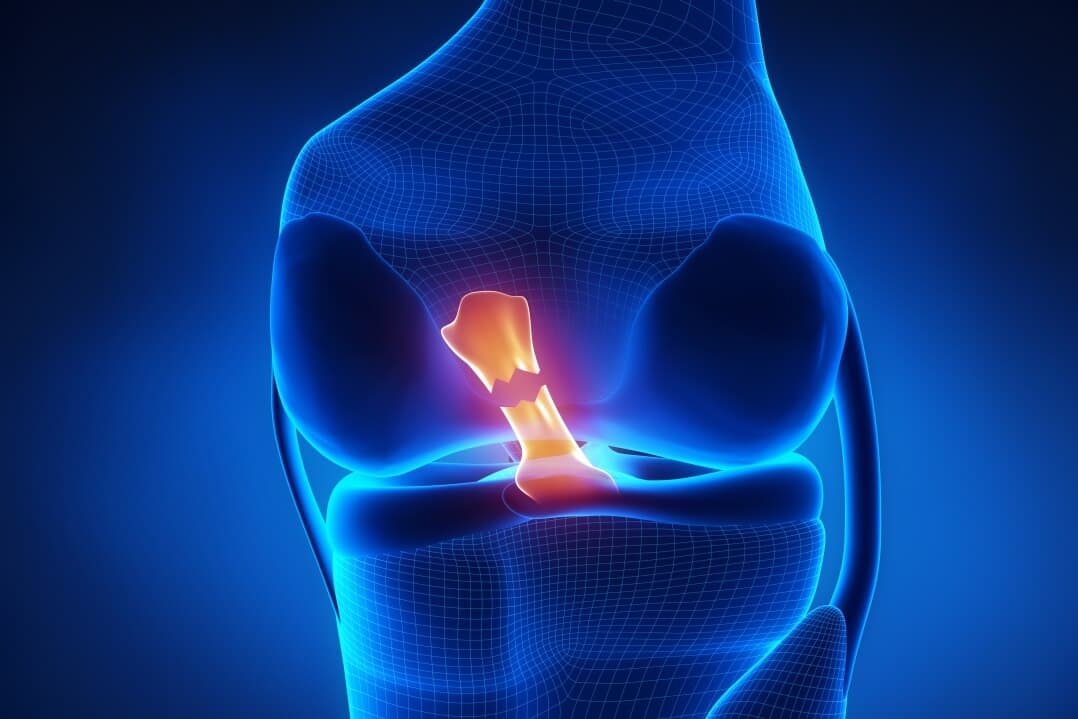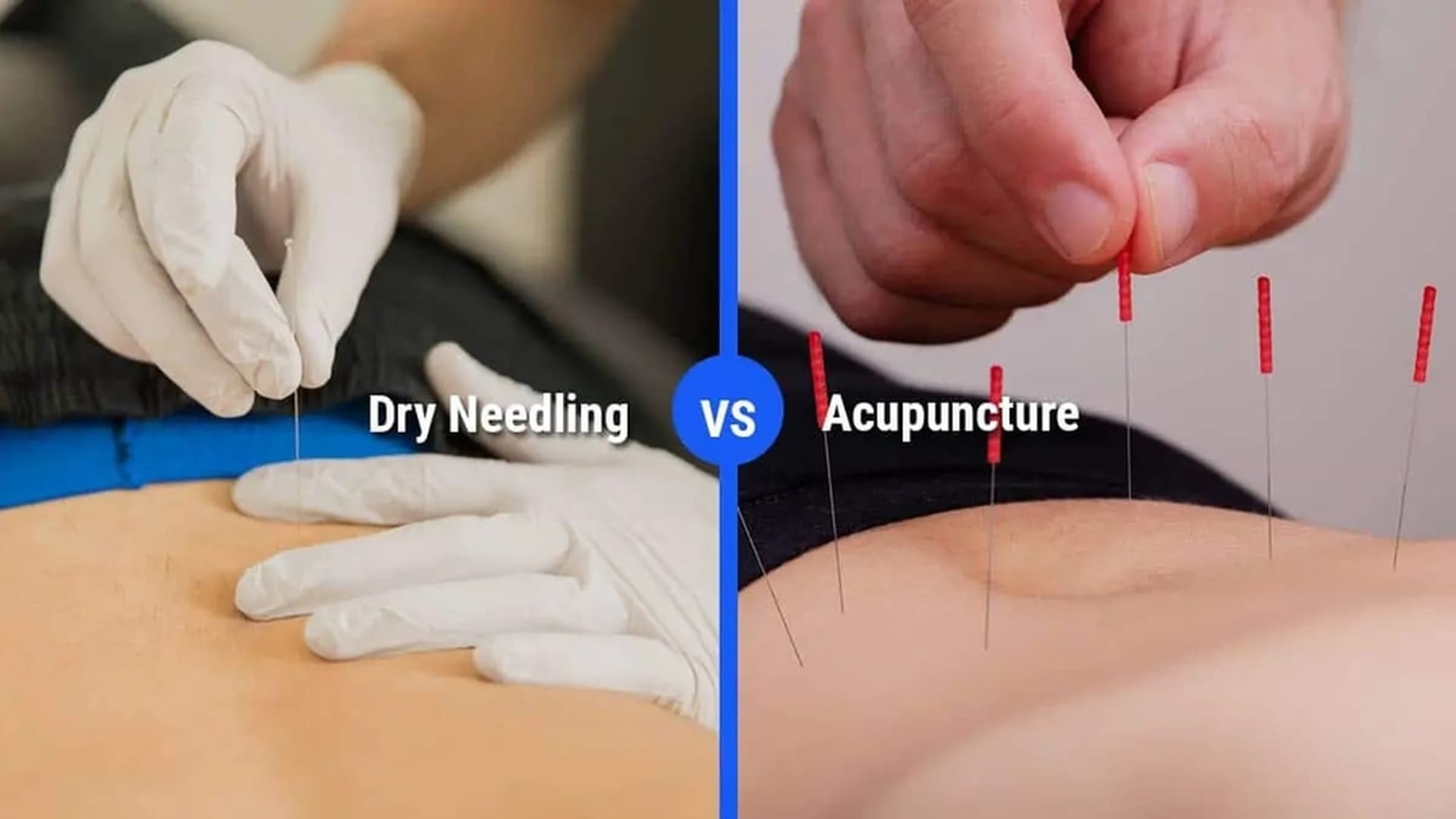

Engaging in sports and physical activities brings numerous benefits, but it also carries the risk of injuries. Understanding how to manage sports injuries can significantly impact recovery and future performance. This guide offers practical steps to navigate the complexities of sports injuries, empowering you to make informed decisions.
Step 1: Recognizing Common Sports Injuries
Before managing sports injuries, it's crucial to recognize common types. These may include:
- Sprains and strains
- Fractures
- Tendinitis
- Shin splints
- Concussions
Each type of injury has distinct symptoms. For example, sprains often result in swelling and bruising, while fractures may cause severe pain and inability to use the affected limb. Understanding these signs will help you determine the next steps.
Step 2: Initial Management of Sports Injuries
The first response to any sports injury is critical. Follow the R.I.C.E. method:
- Rest: Avoid using the injured area.
- Icing: Apply ice packs for 15-20 minutes every hour to reduce swelling.
- Compression: Use a compression bandage to minimize swelling.
- Elevation: Keep the injured area elevated above heart level.
Implementing R.I.C.E. immediately can alleviate pain and reduce recovery time. Monitor the injury closely for any changes in symptoms.
Step 3: When to Seek Professional Care
While many sports injuries can be managed at home, certain indicators necessitate professional evaluation:
- If pain persists or worsens after initial treatment
- Inability to bear weight or move the affected area
- Visible deformities or swelling
- Symptoms of a concussion, such as confusion or prolonged headache
Consulting a qualified professional is essential for proper diagnosis and treatment when these symptoms occur. They may recommend physical therapy, medication, or imaging studies to assess the injury further.
Understanding sports injuries and their management equips you with the confidence to engage in physical activities safely. Always listen to your body and prioritize recovery. Remember, if symptoms persist or worsen, seeking professional care is always a prudent choice.
Disclaimer: This article is for informational purposes only. Consult a qualified professional if symptoms persist, worsen, or require assessment.