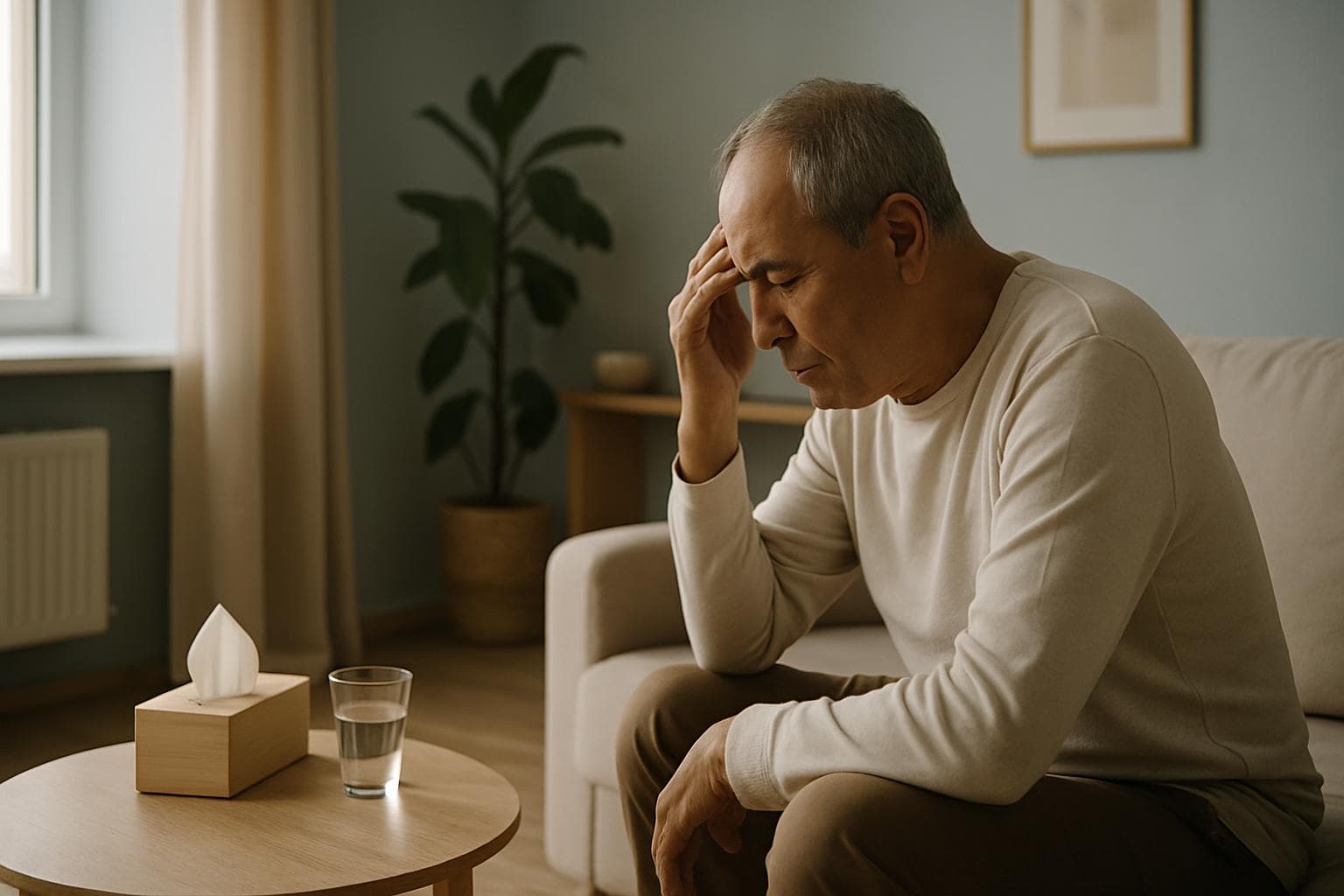

Good balance is something most of us take for granted—until a stumble, a moment of dizziness, or a fear of falling makes us think twice. For older adults, people recovering from injury, or anyone experiencing unsteadiness, balance and fall prevention is about far more than avoiding accidents; it is about staying confident, independent, and active. In busy Gulf cities like Dubai, Abu Dhabi, and Doha, structured support can help people move through daily life with reassurance. So what does balance and fall prevention involve, and how can it help?
What Is Balance and Fall Prevention?
Balance and fall prevention is a proactive approach to improving stability, strength, and coordination in order to reduce the risk of falls and move with greater confidence. It draws on assessment of how the body senses and controls movement—through the inner ear, vision, muscles, and joints—and targets any weak links. Balance and fall prevention can affect focus, balance, sleep, and confidence, so a well-rounded plan matters. On Therapr you can find practitioners skilled in manual therapy, vestibular-informed rehabilitation, and collaborative care pathways suited to busy schedules for balance and fall prevention.
Symptoms and Signs
Signs that balance may need attention include feeling unsteady or wobbly when standing or walking, needing to hold onto furniture or walls, dizziness or lightheadedness, and a growing fear of falling. Some people notice difficulty on uneven surfaces, in the dark, or when turning quickly. Reduced leg strength, stiff joints, and slower reactions can all contribute. Unsteadiness sometimes overlaps with vertigo and dizziness and can be linked to weak core strength or reduced flexibility and mobility. Noticing these early allows support before a fall occurs.
Common Causes and Triggers
Balance problems can stem from many sources—natural changes with age, muscle weakness, inner-ear conditions, certain medications, low vision, and neurological factors. In the Gulf, sedentary, air-conditioned indoor lifestyles and reduced outdoor activity in extreme heat can lead to weaker muscles and less practice with varied movement, both of which affect stability. Dehydration in hot weather can cause lightheadedness, and smooth indoor flooring or unfamiliar environments may increase fall risk. Recovery from surgery or injury can also temporarily reduce balance. Understanding the cause guides the most effective type of support.
Quick Facts
| Also known as | Balance training, stability and mobility support |
|---|---|
| Typically affects | Older adults, those recovering from injury, and people with dizziness |
| Prevalence | Falls are a leading cause of injury among older adults worldwide |
| Typical duration | Improves with consistent training over weeks to months |
| Related specialities | Physiotherapy, osteopathy, clinical Pilates, manual therapy |
| When to seek help | Frequent unsteadiness, dizziness, or a fall or near-fall |
How It Is Supported and Improved
Balance is trainable, and improvement is very achievable with the right approach. A physiotherapy professional can assess your stability and design exercises that strengthen the legs and core, improve coordination, and retrain the body's balance systems—including vestibular-informed rehabilitation when dizziness is involved. Clinical Pilates builds core control and controlled movement, while osteopathy and manual therapy can address stiffness and alignment that affect steadiness. Practical steps—staying hydrated, keeping active, good footwear, and a well-lit, clutter-free home—reduce risk further. Any dizziness or falls should also be reviewed medically to rule out underlying causes. Consistent training tends to produce steady, lasting gains.
Finding Support in the Gulf
Physiotherapy and Pilates sessions in the UAE, Saudi Arabia, and Qatar commonly range from around 250–600 AED, 250–600 SAR, or 250–600 QAR per session. Providers are regulated by the Dubai Health Authority (DHA), the Saudi Commission for Health Specialties (SCFHS), and Qatar's Ministry of Public Health (MOPH), so confirming credentials is worthwhile. The climate is relevant: extreme heat can discourage outdoor walking, so indoor balance classes, pool-based exercise, and guided home programmes are practical ways to keep training year-round. Staying well hydrated in hot weather also helps prevent the lightheadedness that can undermine balance.
When to See a Professional
Seek support if you feel unsteady often, have experienced a fall or near-fall, notice dizziness, or find yourself avoiding activities out of fear of falling. Early assessment can identify treatable causes and build strength before an injury occurs. Sudden or severe dizziness, weakness, or balance loss should be checked medically without delay. For ongoing stability, a physiotherapist or Pilates instructor can create a tailored plan that restores both steadiness and confidence.
Frequently Asked Questions
Can balance really be improved with training?
Yes. Balance is a trainable skill. Targeted exercises for strength, coordination, and the body's balance systems can produce meaningful improvements at almost any age.
Is fall prevention only for older adults?
No. While older adults benefit greatly, anyone recovering from injury, experiencing dizziness, or wanting better stability for sport can benefit from balance work.
What can I do at home to reduce fall risk?
Keep spaces well-lit and clutter-free, wear supportive footwear, stay hydrated and active, and follow any exercises from a physiotherapy professional.
The Bottom Line
Balance and fall prevention is a proactive, empowering way to protect independence and confidence at any age. With targeted training and simple everyday adjustments, stability can improve considerably. Explore practitioners for balance and fall prevention and related core strength support on Therapr, or start with physiotherapy in Dubai to build steadier, more confident movement.
Find Help on Therapr
Top-Rated Centers
- Aster Specialty for Orthopedics and Physiotherapy, Al Qusais — Dubai (4.8★, 2217 reviews)
- Dr.Sulaiman Al-Habib Jeddah Almuhamdiah — Jeddah (4.3★, 1667 reviews)
- Almoosa Rehabilitation Hospital مستشفى الموسى للتأهيل — Al Hofuf (4.7★, 1418 reviews)
- مركز اساس للعلاج الطبيعي و الحجامه — Jazan (4.8★, 985 reviews)
- MYO OSTEOPATHY MEDICAL CENTER — Riyadh (4.3★, 984 reviews)
- مركز خطوات الشفاء للعلاج الطبيعي ويوجد (قسم خاص للنساء) — Jeddah (4.7★, 866 reviews)
Practitioners to Consider
- Dr. Adel Clinic Physiotherapy | عيادة د.عادل للعلاج الطبيعي — Dubai
- عيادات اللافندر علاج طبيعي كبار - أطفال - علاج منزلي- جراحة التجميل-تغذية — Riyadh
- مركز الالم المزمن للعلاج الطبيعي والزيارات المنزلية — Abha
- عيادة كيور للعلاج الطبيعي (CURE) — Jazan
Browse by City
Physiotherapy & Sports Rehabilitation in Dammam · Physiotherapy & Sports Rehabilitation in Khobar · Osteopathy in Abu Dhabi · Physiotherapy & Sports Rehabilitation in Abu Dhabi · Osteopathy in Sharjah · Physiotherapy & Sports Rehabilitation in Sharjah · Osteopathy in Dubai · Manual Therapy in Dubai · Physiotherapy & Sports Rehabilitation in Dubai · Physiotherapy & Sports Rehabilitation in Doha · Physiotherapy & Sports Rehabilitation in Jeddah · Osteopathy in Riyadh · Physiotherapy & Sports Rehabilitation in Riyadh
Related Health Concerns
Core weakness & stability · Reduced flexibility & mobility · Vertigo & dizziness · Balance & fall prevention
Or explore all wellness providers in Abu Dhabi, Doha, Dubai, Jeddah, Riyadh.
This article is for information only and is not a substitute for professional medical advice.