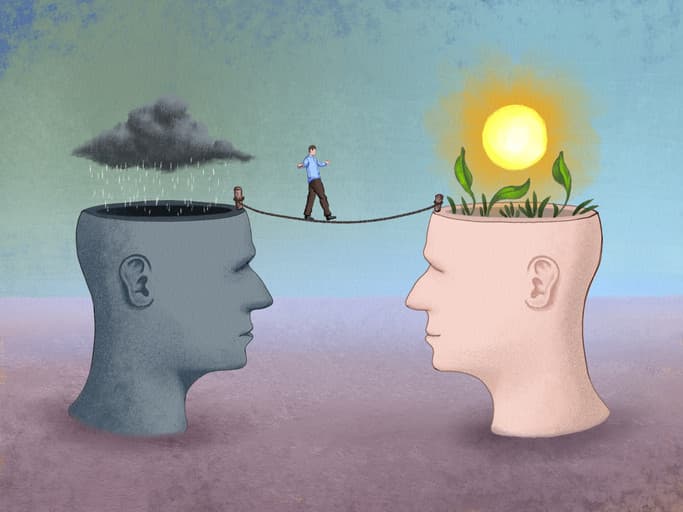

Introduction
You've likely heard phrases like "Stay positive!" or "Think happy thoughts!" thrown around as remedies for almost any problem. But can a positive mindset genuinely improve your health, resilience, and overall well-being? Or does it dangerously oversimplify complex emotional realities?
This article explores what research says about positive thinking, its real benefits, its limitations, and how to apply it thoughtfully in your daily life.
What Is Positive Thinking?
Positive thinking refers to the mental attitude of focusing on the good in any situation and expecting favorable outcomes. It's not about ignoring problems or pretending everything is perfect; rather, it's about approaching challenges with optimism, hope, and a proactive mindset.
Some common aspects of positive thinking include:
- Reframing negative situations
- Focusing on strengths and solutions
- Maintaining hope during difficulties
- Practicing gratitude
The Proven Benefits of Positive Thinking
Scientific research supports several tangible benefits linked to a positive outlook:
Reduced Stress:
- Positive thinkers experience lower levels of cortisol (the stress hormone) and manage stress more effectively.
Better Heart Health:
- Studies have shown that optimism is associated with lower rates of cardiovascular disease.
Improved Immunity:
- Positive emotions can strengthen the immune system, making the body more resilient against infections.
Longer Lifespan:
- A study published in the Proceedings of the National Academy of Sciences found that optimistic individuals lived significantly longer than their pessimistic peers.
Greater Coping Skills:
- Those with positive mindsets are more likely to persevere through hardships and recover faster from setbacks.
The Limitations of Positive Thinking
While positivity can be powerful, it’s important to recognize its boundaries:
Toxic Positivity:
- Constantly insisting on positivity can invalidate real emotions, suppress pain, and prevent healing.
Ignoring Real Problems:
- Believing that positivity alone can fix everything may discourage people from seeking necessary help or making difficult but important changes.
Blaming the Victim:
- An overemphasis on "mindset" can unfairly suggest that people facing illness, grief, or hardship are somehow at fault for not "thinking positively enough."
True positive thinking acknowledges difficulties while choosing hope and proactive solutions, rather than blind optimism.
How to Cultivate Healthy Positive Thinking
Developing a balanced positive mindset involves:
Practicing Gratitude:
- Regularly note things you're thankful for, even small victories.
Reframing Negative Thoughts:
- Instead of “I can't do this,” try “This is challenging, but I can find a way.”
Setting Realistic Goals:
- Optimism works best when paired with actionable plans.
Accepting All Emotions:
- Allow yourself to feel sadness, anger, or fear when necessary, then shift focus toward constructive action.
Surrounding Yourself with Support:
- Build relationships with encouraging, grounded people who validate your emotions and encourage growth.
Is Positive Thinking Enough?
Positive thinking is powerful, but it’s not a magic cure. Mental health challenges, serious illnesses, and life crises often require professional help, medical treatment, or significant life changes.
Optimism should complement—not replace—practical actions and emotional honesty.
Conclusion
Positive thinking is not a naive fantasy; it’s a scientifically supported tool that, when used wisely, can improve mental and physical well-being. However, it’s essential to maintain a balanced perspective, recognizing that true strength comes from facing reality with hope, resilience, and action—not from ignoring life’s difficulties. When integrated thoughtfully, positive thinking can indeed be more medicine than myth.