Introduction
As people age, maintaining physical balance and preventing falls becomes increasingly important. Falls can lead to serious injuries such as hip fractures and head trauma, severely impacting the independence and quality of life of seniors. Fortunately, Tai Chi, an ancient Chinese martial art focused on slow, controlled movements and deep breathing, has emerged as a highly effective method for improving balance and preventing falls.
Unlike high-intensity workouts, Tai Chi is gentle on the joints and adaptable to different fitness levels, making it ideal for older adults. Through regular practice, seniors can develop better body awareness, muscular strength, and mental focus, all of which contribute to enhanced stability and confidence.
Understanding Tai Chi
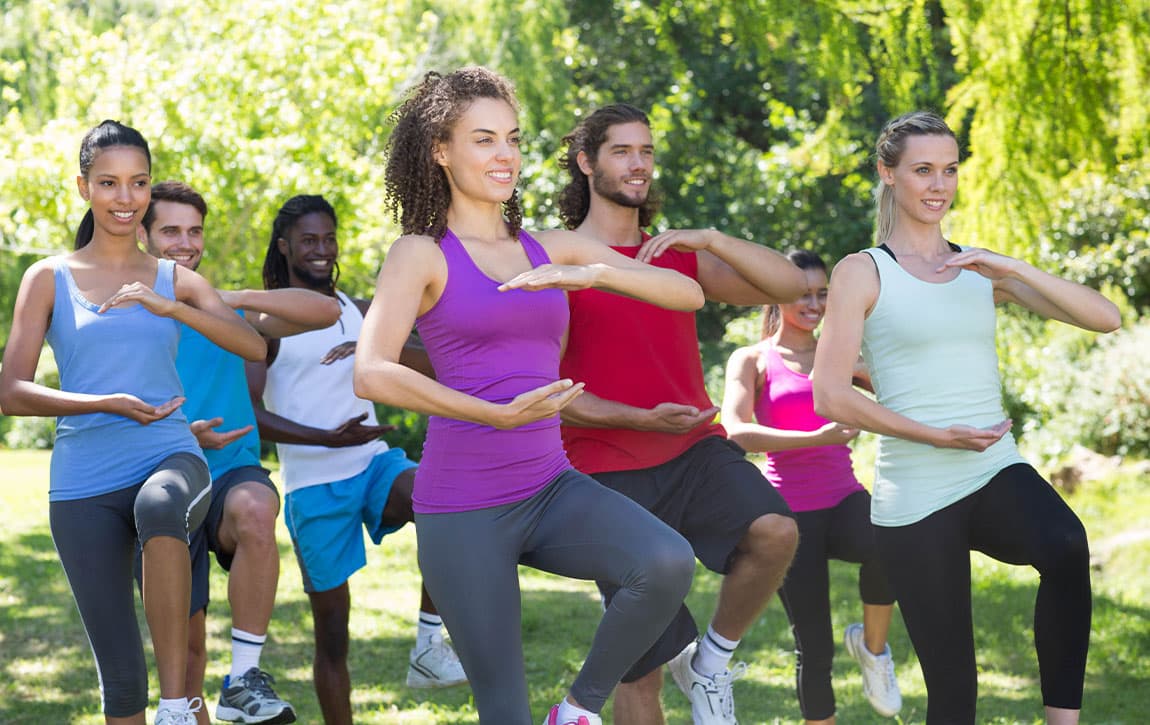
Tai Chi, often described as "meditation in motion," is a mind-body practice that involves a series of slow, flowing movements coordinated with deep breathing. Originally developed as a martial art, it is now widely recognized for its health benefits, particularly among seniors.
The fundamental principles of Tai Chi include:
- Mindful Movement: Each action is performed slowly and deliberately to enhance awareness and control.
- Weight Shifting: Gentle shifting of weight from one foot to the other strengthens the legs and improves balance.
- Alignment: Maintaining proper posture throughout the movements promotes spinal health and equilibrium.
- Breath Control: Deep, rhythmic breathing supports relaxation and oxygenation.
Why Balance Matters in Seniors
With age, the body undergoes changes that can impair balance, such as:
- Muscle Weakness: Loss of muscle mass reduces strength and coordination.
- Vision Decline: Poor vision can affect depth perception and spatial awareness.
- Neurological Changes: Slower reflexes and decreased sensation in the feet can impact stability.
- Chronic Conditions: Arthritis, diabetes, and other health issues can further compromise balance.
These factors increase the risk of falling, making balance training a vital part of senior health care.
How Tai Chi Improves Balance
Research shows that Tai Chi offers numerous balance-enhancing benefits:
Strengthens Lower Body Muscles:
- Tai Chi movements engage the legs, hips, and core muscles, building strength necessary for standing and walking.
Enhances Proprioception:
- Proprioception—the body’s ability to sense its position in space—improves with the mindful weight shifts and postural awareness emphasized in Tai Chi.
Improves Coordination and Reflexes:
- Slow, repetitive motions help retrain the body’s response systems, leading to better coordination and quicker reflexes when needed to prevent a fall.
Reduces Fear of Falling:
- By increasing physical confidence, Tai Chi helps diminish the psychological fear of falling, which itself can cause stiffness and hesitation.
Encourages Relaxed Focus:
- The meditative aspect of Tai Chi reduces anxiety and promotes a calm, centered mindset, important for stability.
Scientific Evidence Supporting Tai Chi for Fall Prevention
Numerous studies highlight the effectiveness of Tai Chi in reducing falls among older adults. For example:
- A review published in the Journal of the American Geriatrics Society found that practicing Tai Chi reduced fall rates by up to 55% in older adults.
- The Centers for Disease Control and Prevention (CDC) lists Tai Chi as a recommended intervention for fall prevention.
- Clinical trials show improvements in gait, balance confidence, and overall physical function after regular Tai Chi practice.
Tips for Seniors Starting Tai Chi
Choose an Appropriate Class:
Look for Tai Chi classes designed specifically for seniors, focusing on balance, gentle movements, and safety.
Wear Comfortable Clothing:
Loose, breathable clothing and supportive, flat-soled shoes help facilitate movement.
Practice Patience:
Progress may be gradual. Emphasize consistency over intensity, and celebrate small improvements.
Use Support if Needed:
Chairs or walls can provide extra support for beginners until balance improves.
Combine with Other Exercises:
Tai Chi complements other forms of senior exercise like walking, stretching, and light strength training.
Simple Tai Chi Movements for Beginners
- Weight Shifting: Gently shifting your weight from side to side while maintaining posture.
- Single Whip: A movement involving an extended arm and a weight shift that enhances balance and coordination.
- Wave Hands Like Clouds: A flowing, side-to-side movement that improves flexibility and leg strength.
Practicing these basics regularly can already yield significant balance benefits.
Conclusion
Tai Chi offers seniors a powerful, gentle, and enjoyable way to enhance balance, strength, and mental focus. By improving body awareness and building physical confidence, Tai Chi can significantly reduce the risk of falls and improve the overall quality of life for older adults. Incorporating this ancient practice into a daily or weekly routine provides not just physical benefits, but also emotional resilience and a deeper connection between body and mind.