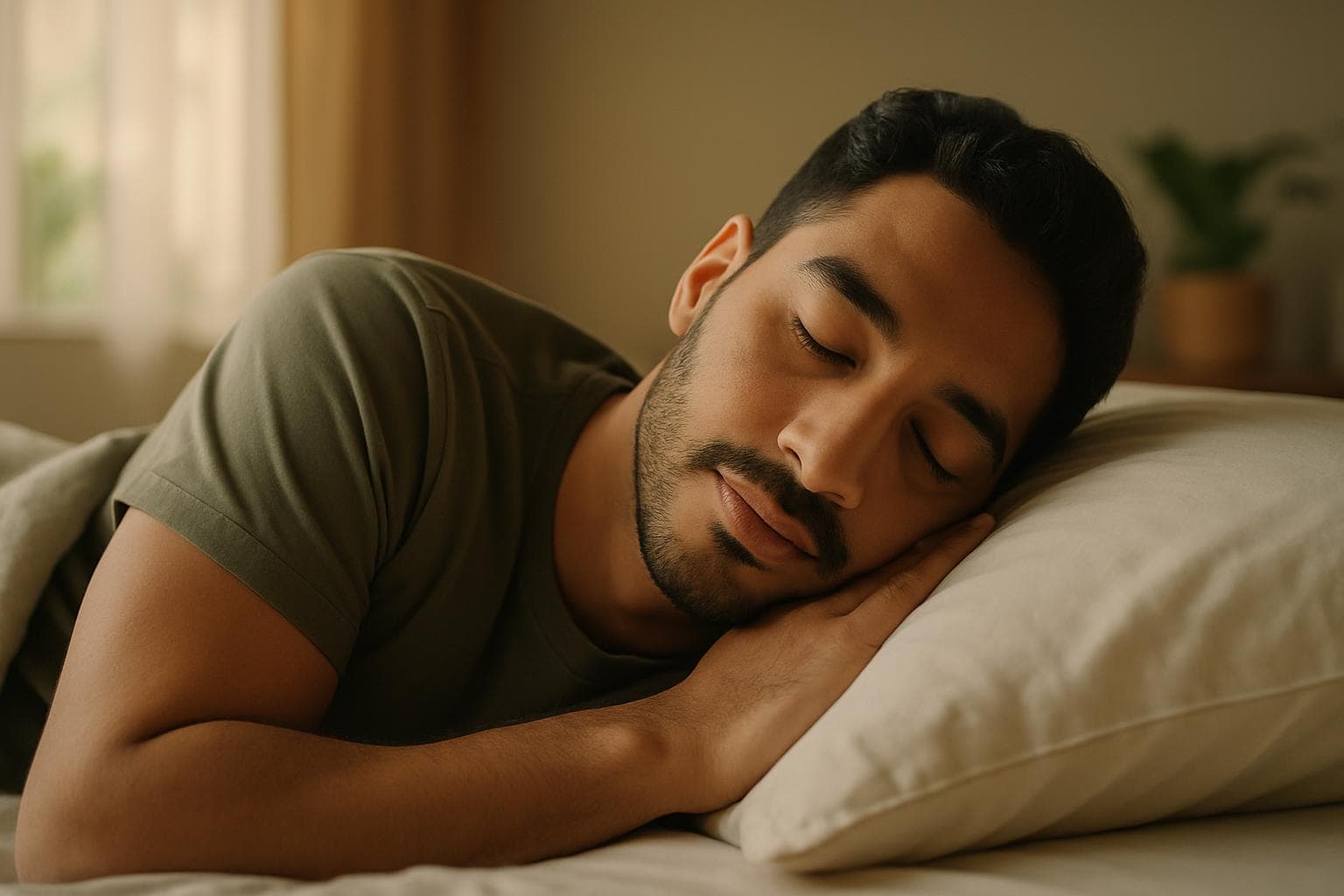
Book a room, and you used to get a bed. Now, at a growing number of resorts across the region, you get a sleep consultation, blackout everything, a pillow menu, and lighting that shifts with the sun. Rest has become something people travel for, pay for, and plan around. And in the Gulf, where the rhythm of daily life quietly wars against the body clock, it may be one of the more sensible wellness trends to arrive in a while.
The numbers behind the movement are not small. Analysts at Fact.MR project the sleep tourism and circadian wellness services market to grow from around USD 2.0 billion in 2026 to USD 18.5 billion by 2036, with lighting programs alone holding roughly 28 percent of that spend because light timing sits at the center of how our internal clock keeps time. The Global Wellness Institute named sleep tourism one of the fastest-growing wellness travel categories in its 2026 outlook. The reason is not hype so much as accumulated evidence: researchers have linked poor sleep to seven of the fifteen leading causes of death, including heart disease, stroke, and diabetes.
Why the Gulf sleeps badly
There is a specific reason sleep struggles show up so often in Dubai, Doha, and Riyadh, and it is not just screen time. Life here runs late. Dinners start at ten, malls stay busy past midnight, and the social calendar rarely respects an early alarm. Layer on months of heat that push all outdoor life into the dark hours, and the body loses its most reliable timekeeper: bright morning daylight followed by real evening darkness.
Air conditioning helps you fall asleep by cooling the room, but constant artificial light and sealed indoor living blunt the natural light-dark contrast the brain uses to release melatonin on schedule. During Ramadan, the picture shifts again, with meals, prayer, and social time reorganizing the night and compressing daytime rest. None of this makes good sleep impossible. It simply means that in this part of the world, sleep has to be built on purpose rather than assumed.
What circadian science actually says
The circadian system is a roughly 24-hour internal clock, anchored in the brain and echoed in nearly every organ. It decides when you feel alert, when your temperature drops, and when melatonin rises to usher in sleep. Its single most powerful input is light. Morning light advances the clock and sharpens daytime energy; bright light late at night pushes the clock later and delays sleep.
This is the logic behind the circadian-lighting rooms now appearing in wellness hotels: warm, dim tones in the evening, brighter cooler light in the morning, mimicking a natural day the modern indoor lifestyle has flattened. You do not need a resort to borrow the idea. Getting fifteen to thirty minutes of real daylight within an hour of waking, ideally before the heat peaks, is one of the cheapest and most effective sleep interventions available, and it costs nothing.
Bringing the retreat home
A weekend sleep retreat can reset a frazzled schedule, but the effect fades if daily habits do not change. A few practical anchors travel well from the spa to the bedroom:
- Protect the last hour. Dim overhead lights and step away from screens, or at least drop their brightness, so melatonin can rise on time.
- Keep the room genuinely cool and dark. Aim for a comfortable, cool temperature and use blackout curtains. In a bright, high-rise city, ambient light leaks in easily.
- Hold a steady wake time. The clock cares more about consistency than duration. A stable wake time, even on weekends, does most of the work.
- Move the caffeine earlier. Late-afternoon coffee lingers in the system for hours and quietly erodes deep sleep.
For people whose sleep problems run deeper than habit, the fix is rarely a gadget. Persistent trouble falling or staying asleep, or waking unrefreshed for weeks, is worth taking seriously. On Therapr you can explore support for sleep issues and insomnia, both of which often respond well to structured, non-drug approaches before anything else is considered.
Where practitioners fit in
Sleep tourism sells the atmosphere, but the durable results usually come from behavioral and body-based work. Relaxation-focused practices can calm an overactive nervous system that keeps switching the lights back on at 3am. Many people in the region find that guided sophrology or sound healing and meditation gives them a repeatable wind-down ritual, while a wind-down massage in Dubai or a session with a hypnotherapist can ease the physical tension that fuels racing thoughts at night.
Chronic stress and poor sleep also feed each other in a loop, so it is worth addressing stress at the same time rather than treating the sleeplessness in isolation. The most sustainable plans tend to combine a light-and-timing reset with one calming practice and, where needed, a professional who can tailor the details to your schedule, your climate, and your particular version of a very late Gulf night.
Sleep tourism, at its best, is not an escape from ordinary life. It is a demonstration of what ordinary life could feel like if rest were designed rather than left to chance. You can check into that idea for a weekend, or you can build a quieter, darker, more consistent version of it into the room you already sleep in.
This article is for information only and is not a substitute for professional medical advice.