
Peptide therapy has gone from niche clinical use to one of the most talked-about tools in modern wellness. People turn to it for better sleep, sharper focus, faster recovery, and healthier aging. The buzz is loud, but the idea itself is simple: give the body the specific signals it needs to repair and perform at its best.
This article breaks the topic down so it is easy to understand, without hype or jargon.
What Peptides Are
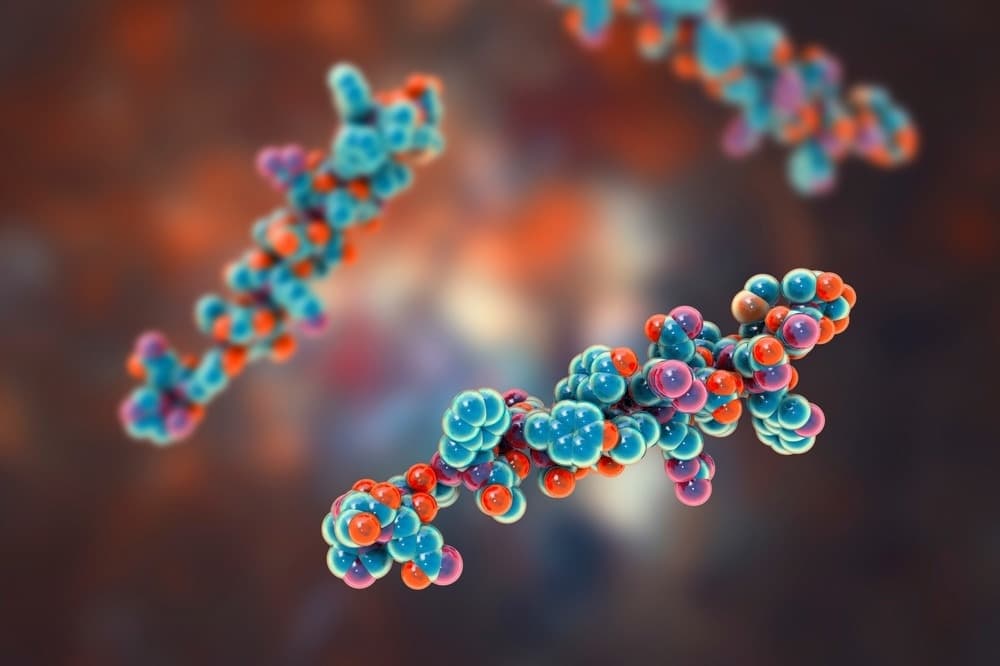
Peptides are short chains of amino acids. Think of them as tiny messengers your body already uses every day to regulate functions like healing, metabolism, inflammation, and hormone signaling.
Your body naturally makes hundreds of peptides. Peptide therapy uses carefully designed or bioidentical versions to support or enhance those signals when they decline or get out of balance.
How Peptide Therapy Works
Most therapeutic peptides work through targeted signaling. Here is the core idea:
A peptide binds to a receptor
Each peptide has a specific shape. It fits into a matching receptor on a cell, like a key in a lock.That receptor triggers a response
The cell then activates a pathway. Depending on the peptide, the pathway might tell your body to burn fat, repair tissue, release growth hormone, or calm inflammation.Effects build gradually
Peptides usually act subtly and work best when used consistently. They are not quick fixes, and the most noticeable changes often appear over weeks.
Popular Types of Peptides and What They Do
Here are some of the most commonly used peptides in wellness and functional medicine:
1. BPC-157
Supports healing of muscles, tendons, gut lining, and connective tissue
Mild anti-inflammatory properties
Often used by athletes or anyone recovering from injury
2. TB-500 (Thymosin Beta-4)
Promotes tissue repair and cell migration
Often paired with BPC-157 for injury recovery or post-surgery healing
3. CJC-1295 and Ipamorelin
Stimulate natural growth hormone release
Popular for sleep quality, lean muscle support, recovery, and healthy aging
4. Melanotan II
Supports skin tanning and may reduce sunburn risk
Used cosmetically, though not suitable for everyone
5. Semaglutide and Tirzepatide (technically peptides)
Regulate appetite and blood sugar
Widely used for weight support and metabolic health
What to Expect When Starting Peptide Therapy
Most people receive peptides through small subcutaneous injections, usually in the abdomen or thigh. Some peptides also come in nasal sprays, oral tablets, or topical creams. A typical experience includes:
A consultation and lab work to match the right peptide to your goals
A personalized dosing plan that adjusts over time
Gradual changes such as better sleep, reduced inflammation, easier body composition changes, or steadier energy
Peptide therapy is individualized. What works well for one person might not be the best fit for someone else.
Safety and Side Notes
Peptides are generally well tolerated, especially when sourced from licensed compounding pharmacies. Still, they are active biologic agents, which means:
Dosing should be supervised by a qualified practitioner
Not all peptides are approved for every use
Sourcing matters
Mild side effects like redness at the injection site, appetite changes, or vivid dreams can occur depending on the peptide
Peptides bought from unverified online sources are risky and should be avoided.
Who Benefits Most
Peptide therapy can be helpful for people who want:
Faster recovery from injury or training
Better sleep and cognitive function
Support with metabolic balance or weight
A more active approach to healthy aging
Help addressing inflammation or gut issues
The key is matching the right peptide to the need.
Final Takeaway
Peptide therapy is not magic, but it is powerful when used correctly. It works by amplifying the body’s own signals so you can heal, rebuild, or optimize more efficiently. With proper guidance and consistent use, peptides can become a steady support for long-term wellness.
If you want, I can also write a version tailored to a clinic website, a patient handout, a promotional blog post, or a more science-heavy deep dive.