Introduction
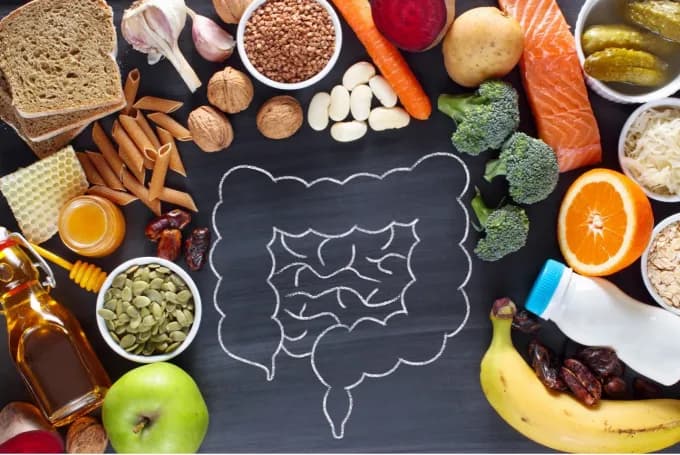
You’ve probably heard the term “gut health” thrown around a lot lately—and for good reason. The human gut is home to trillions of microorganisms, collectively known as the gut microbiome, that play a critical role in your digestion, immune system, brain function, and even mood. Maintaining a balanced microbiome is essential, and diet is the most powerful tool you have to influence it. In this guide, we break down the best foods for your gut, how to nourish your microbiome, and why it matters more than ever.
What Is the Gut Microbiome?
The gut microbiome refers to the collection of bacteria, fungi, viruses, and other microbes that live in your digestive tract—especially the large intestine. While some bacteria are harmful, most are beneficial and essential for:
- Breaking down food
- Absorbing nutrients
- Producing vitamins like B12 and K
- Regulating immune responses
- Protecting against pathogens
When this ecosystem is in balance, your whole body benefits. When it’s disrupted (a state called dysbiosis), it can lead to a variety of health problems.
Top Foods to Support a Healthy Gut
Feeding your good bacteria starts with the right kinds of food. Here are some gut-friendly options:
1. Fiber-Rich Foods
Fiber is the primary fuel for beneficial gut bacteria. Focus on:
- Whole grains (oats, quinoa, brown rice)
- Legumes (lentils, chickpeas, beans)
- Vegetables (broccoli, kale, artichokes)
- Fruits (apples, bananas, berries)
2. Fermented Foods
These contain live bacteria (probiotics) that can enhance microbiome diversity:
- Yogurt with live cultures
- Kefir
- Sauerkraut
- Kimchi
- Miso and tempeh
3. Prebiotic Foods
Prebiotics are non-digestible fibers that feed the good bacteria. Examples include:
- Garlic
- Onions
- Asparagus
- Leeks
- Green bananas
4. Polyphenol-Rich Foods
These plant compounds act as antioxidants and promote beneficial bacteria:
- Green tea
- Berries
- Dark chocolate
- Olive oil
- Red grapes
Foods That Can Harm Your Gut
Just as some foods help your microbiome, others can hurt it. Avoid excessive intake of:
- Sugar and artificial sweeteners: Promote the growth of harmful bacteria
- Highly processed foods: Low in fiber and full of additives
- Alcohol: Especially in large amounts, can inflame the gut lining
- Red and processed meats: Linked to a reduction in microbiome diversity
Signs of an Unhealthy Gut
An imbalanced microbiome can manifest through:
- Digestive issues (bloating, gas, constipation, diarrhea)
- Frequent infections or illness
- Brain fog or poor concentration
- Skin conditions like eczema
- Mood disorders (anxiety, depression)
If you're experiencing any of these regularly, it might be time to take a closer look at your gut.
Lifestyle Tips for Better Gut Health
Food is important, but it's not the only factor. Your microbiome is also influenced by:
- Sleep: Aim for 7–8 hours of quality sleep
- Stress: Chronic stress negatively affects gut bacteria
- Exercise: Regular physical activity can promote bacterial diversity
- Antibiotic use: Only take antibiotics when necessary and always follow with a probiotic-rich diet
Do You Need Probiotic Supplements?
While food is the best way to support your microbiome, probiotic supplements may help in certain situations—like after a course of antibiotics or for people with chronic digestive issues. However, not all supplements are created equal. Choose one with multiple strains and clinical research backing its effectiveness.
Conclusion
Gut health isn’t just about digestion—it’s about whole-body health. By feeding your microbiome with a diet rich in fiber, fermented foods, prebiotics, and antioxidants, you can improve your immunity, mood, and energy. Start small: add a serving of yogurt or fiber-rich vegetables to your next meal, and your gut will thank you. A healthier gut can lead to a happier, more vibrant life.