
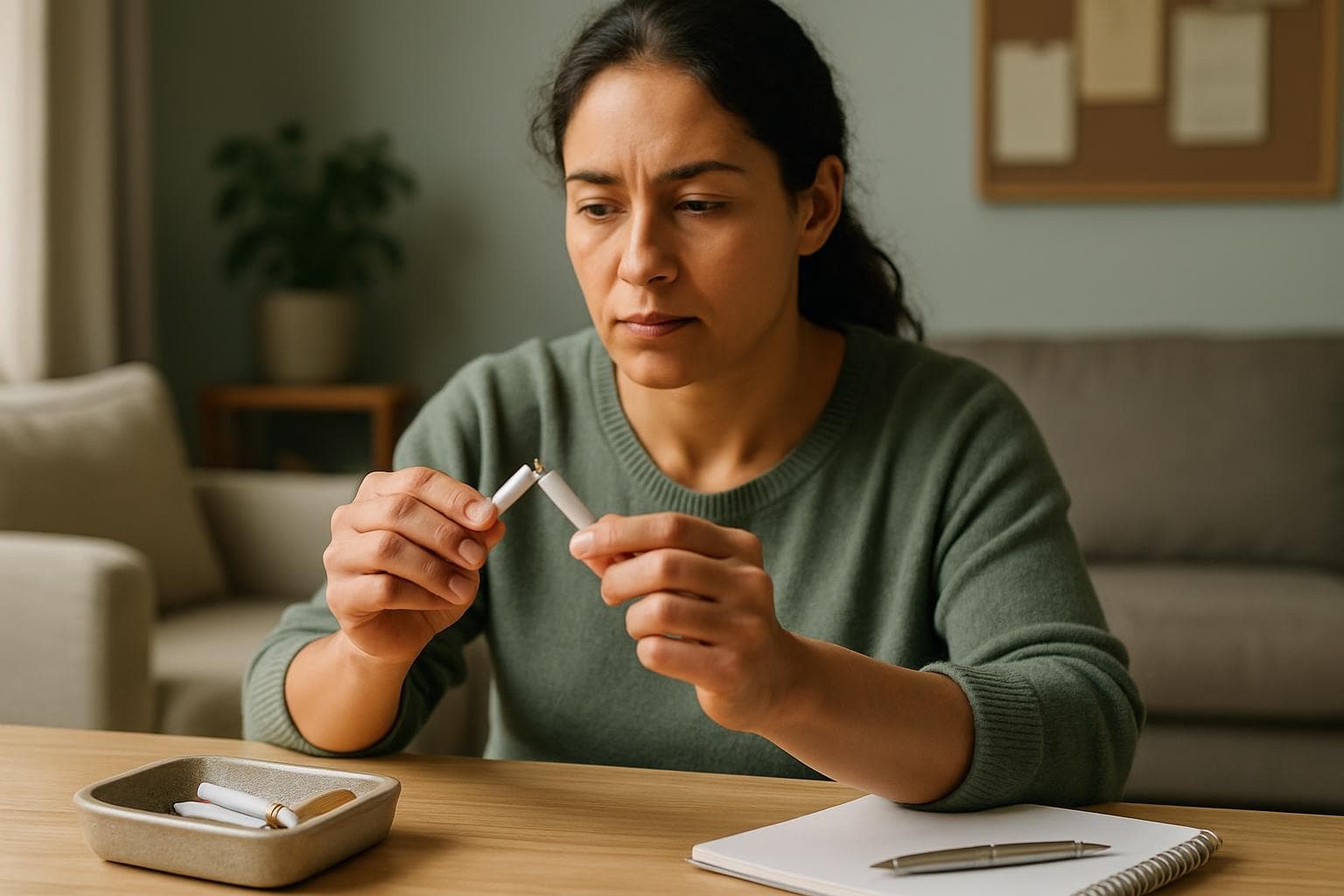
Quitting smoking is a challenging yet rewarding journey that can significantly enhance your health and well-being. Whether you have attempted to quit before or are ready to take the first step, this guide outlines a structured approach to help you succeed.
Step 1: Set Clear Goals and Expectations
Begin by defining your reasons for quitting. Setting specific, measurable goals will provide you with motivation throughout your journey. Consider the following:
- Health benefits: Reduced risk of diseases.
- Financial savings: Money saved by not purchasing cigarettes.
- Improved quality of life: Better physical fitness and well-being.
Write down these reasons and keep them visible to remind yourself of your commitment.
Step 2: Choose Your Cessation Method
There are various methods for quitting smoking, and choosing the right one depends on your preferences and experiences. Common options include:
- Cold Turkey: Stopping all at once without any aids.
- Gradual Reduction: Slowly decreasing the number of cigarettes smoked.
- Nicotine Replacement Therapy (NRT): Using patches, gum, or lozenges.
- Prescription Medications: Consulting a doctor for medications that reduce cravings.
Each method has its benefits and limitations. For instance, while NRT can ease withdrawal symptoms, some individuals may prefer a holistic approach without medications.
Step 3: Prepare for Challenges
Anticipate potential challenges that may arise during your cessation journey. Common mistakes to avoid include:
- Underestimating withdrawal symptoms: Be prepared for cravings, irritability, and mood swings.
- Not having a support system: Inform friends and family about your decision to quit.
- Returning to old habits: Identify triggers and develop strategies to manage them effectively.
Having a solid plan in place will help you navigate these challenges more effectively.
Step 4: When to Seek Professional Care
While many individuals successfully quit smoking on their own, seeking professional help can be beneficial, especially if you face significant difficulties. Consider consulting a healthcare provider if:
- Your cravings are overwhelming or persistent.
- You experience severe withdrawal symptoms.
- You have a history of substance abuse or mental health concerns.
Professionals can provide tailored support, counseling, and medication options to enhance your chances of success.
Quitting smoking is a journey that requires commitment and resilience. By following these steps, preparing for challenges, and seeking help when necessary, you can achieve your goal of becoming smoke-free. Remember, every step forward is a victory.
Disclaimer: Consulting a qualified professional may be appropriate when symptoms persist, worsen, or need assessment.