Understanding Yin and Yang
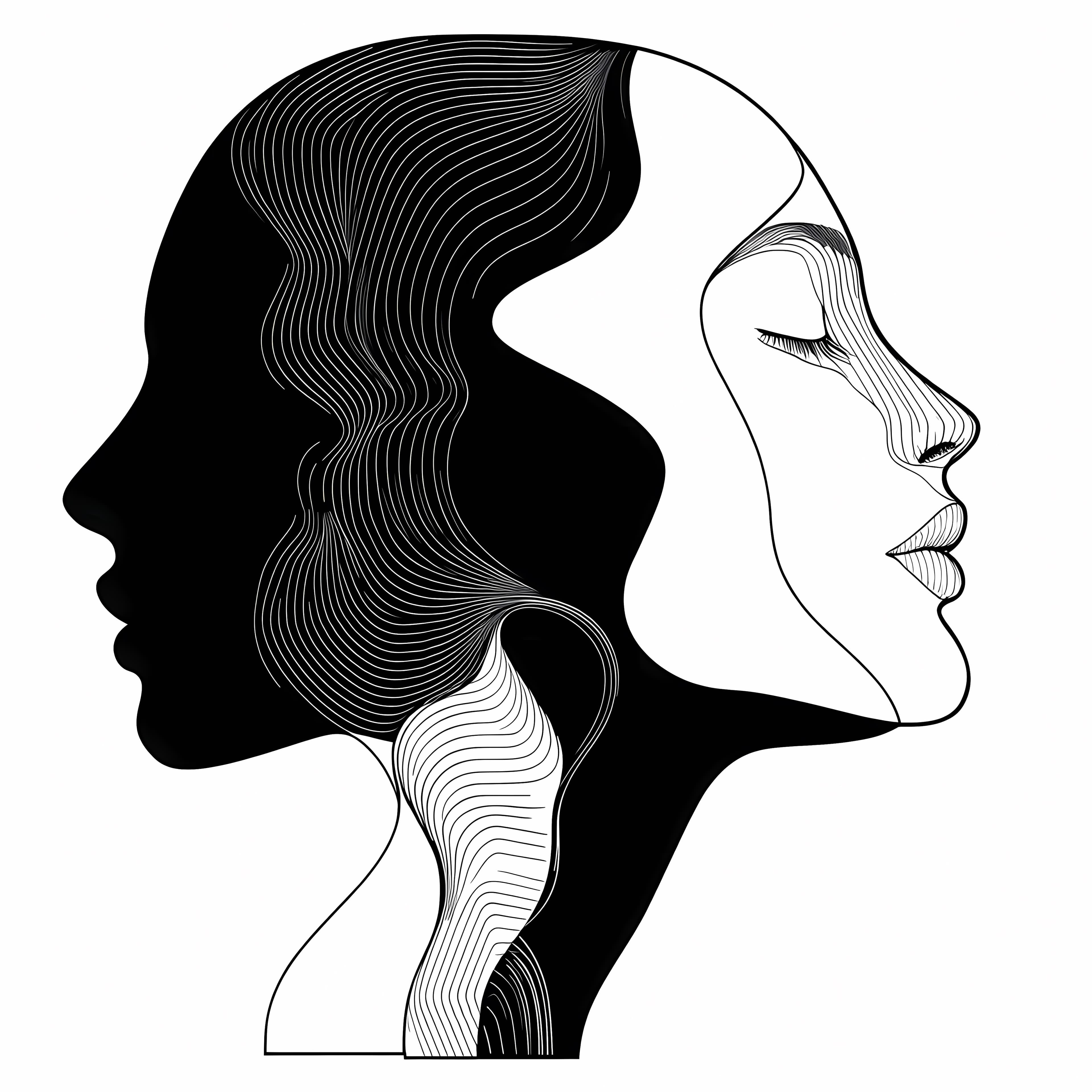
The concept of Yin and Yang is fundamental to Traditional Chinese Medicine, representing the dual forces that maintain universal balance. Yin is associated with coolness, darkness, and rest, while Yang embodies warmth, brightness, and activity. Together, they create harmony within the body and the natural world.
The Role of Yin and Yang in Health
In TCM, health is a reflection of a well-balanced Yin-Yang dynamic. When one becomes dominant or deficient, it can lead to ailments. Examples include:
- Yin Deficiency: Dry skin, insomnia, overheating sensations.
- Yang Deficiency: Cold extremities, fatigue, digestive issues.
- Excess Yin: Sluggishness, bloating, feeling emotionally heavy.
- Excess Yang: Irritability, inflammation, high blood pressure.
Restoring Yin-Yang Balance
Maintaining equilibrium between Yin and Yang is crucial. Some approaches include:
- Dietary Adjustments: Cooling foods (e.g., cucumbers, green tea) for excess Yang; warming foods (e.g., ginger, lamb) for Yin deficiencies.
- Acupuncture and Herbal Remedies: Custom treatments to correct imbalances.
- Mindful Practices: Meditation and Qi Gong to stabilize internal energy shifts.
Achieving Yin-Yang balance allows for physical, emotional, and mental well-being, fostering a holistic approach to health in TCM.