
Before the Session: Preparing for Your First Acupuncture Visit
Before your appointment, follow these simple steps to get the most out of your acupuncture session:
- Eat Lightly – Avoid coming on an empty stomach, but don’t eat a heavy meal just before your session.
- Wear Comfortable Clothing – Loose-fitting clothes make it easier to access acupuncture points.
- Stay Hydrated – Drink water before and after the session to help your body process the treatment.
- Avoid Stimulants and Alcohol – Caffeine and alcohol can affect your body’s response to acupuncture.
- Prepare Questions – If you have concerns or specific health goals, note them down to discuss with your acupuncturist.
Step 1: The Initial Consultation
Your first acupuncture session will start with a consultation. The acupuncturist will:
- Review your medical history and current health concerns.
- Ask about your lifestyle, diet, sleep, and stress levels.
- Examine your pulse and tongue, as these are diagnostic tools in TCM.
- Develop a personalized treatment plan based on your needs.
Step 2: The Acupuncture Treatment
Once the consultation is complete, the acupuncture session begins:
- Lying on the Treatment Table
- You will be asked to lie down on a comfortable massage-style table. The acupuncturist will ensure you are warm and relaxed.
- Needle Placement
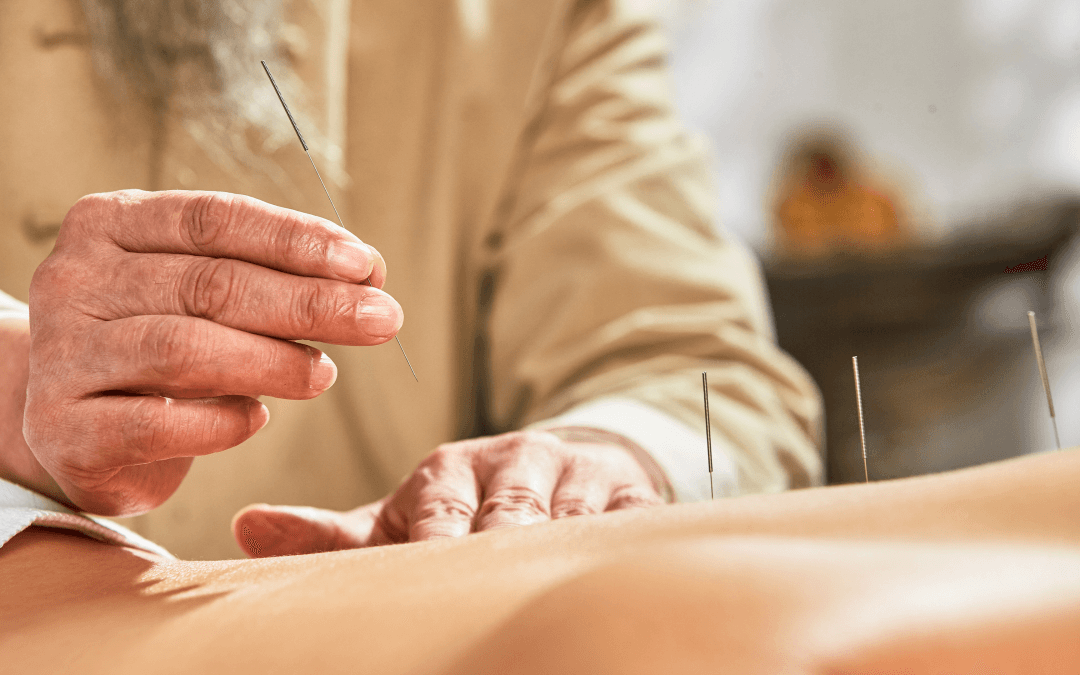
- Fine, sterile needles will be gently inserted into specific acupuncture points on your body.
- Common areas include the back, arms, legs, abdomen, and even ears.
- You may feel a slight pinch or tingling sensation, but most people find the process painless.
- Relaxation Time
- The needles are typically left in place for 20-40 minutes.
- You may experience a deep sense of relaxation or even fall asleep.
- The acupuncturist may adjust the needles or apply gentle stimulation if needed.
- Additional Techniques (Optional)
- Some acupuncturists integrate complementary therapies, such as:
- Cupping Therapy – Glass or silicone cups create suction to promote blood flow.
- Moxibustion – Burning an herbal stick near the skin to provide warmth and stimulate acupuncture points.
- Electroacupuncture – A mild electrical current is applied to needles for enhanced stimulation.
Step 3: Post-Treatment Experience
Once the needles are removed, you will be given a few minutes to relax and get up slowly. After the session:
- You May Feel Relaxed or Energized – Some people feel deeply calm, while others experience a boost in energy.
- Mild Soreness or Tingling is Normal – Temporary sensations at needle sites are common but fade quickly.
- Stay Hydrated – Drinking water helps flush out toxins released during the session.
- Avoid Intense Activity – Give your body time to adjust by avoiding strenuous exercise immediately after treatment.
- Observe Your Body’s Response – Some benefits, like pain relief or reduced stress, may be immediate, while others develop over multiple sessions.
How Many Sessions Are Needed?
The number of sessions depends on your condition and treatment goals:
- Acute Issues (e.g., pain relief, stress reduction) – 1-2 sessions per week for a few weeks.
- Chronic Conditions (e.g., migraines, digestive disorders, hormonal imbalance) – Regular sessions over several months.
- Wellness and Preventive Care – Monthly or seasonal acupuncture sessions to maintain overall balance.
Conclusion
Acupuncture is a safe, relaxing, and effective therapy that supports both physical and mental well-being. By knowing what to expect, you can approach your first session with confidence and enjoy the benefits of this ancient healing practice. If you have concerns or specific health goals, discuss them with your acupuncturist to tailor the treatment to your needs. With regular sessions, acupuncture can be an integral part of your holistic health journey.