Introduction
Over the past decade, non-invasive cosmetic procedures have seen exponential growth across the globe. Thanks to advancements in aesthetic medicine and shifting beauty standards, individuals are increasingly seeking treatments that offer visible results without the need for surgery or lengthy recovery. These options have become especially popular among younger adults and working professionals who value discretion and efficiency.
What Are Non-Invasive Cosmetic Procedures?
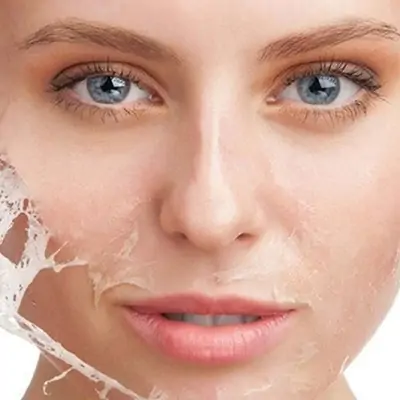
Non-invasive procedures refer to aesthetic treatments that do not require incisions or general anesthesia. Instead, they use methods such as injections, lasers, ultrasound, or radiofrequency to enhance appearance. Common examples include Botox, dermal fillers, chemical peels, laser skin resurfacing, microneedling, and coolsculpting.
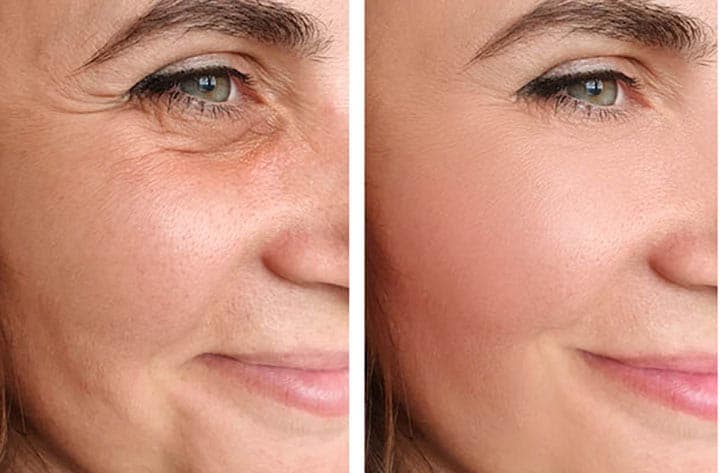
These techniques are designed to improve skin texture, reduce wrinkles, add volume, or contour body areas with little to no downtime.
Benefits of Non-Surgical Enhancements
The appeal of non-invasive treatments lies in several factors:
- Minimal Recovery Time: Most procedures allow patients to return to normal activities immediately.
- Lower Risk: There is no need for anesthesia, incisions, or hospital stays.
- Natural-Looking Results: Gradual improvements make enhancements less obvious and more subtle.
- Affordability: Compared to surgery, these treatments are often more budget-friendly, especially when maintenance is well-planned.
Popular Non-Invasive Options
- Botox and Fillers: Ideal for smoothing wrinkles and adding facial volume.
- Laser Treatments: Used for skin tightening, pigmentation correction, and hair removal.
- Chemical Peels: Help exfoliate the skin and treat acne, sun damage, and fine lines.
- CoolSculpting: A non-surgical fat reduction technique using cryolipolysis.
- Ultherapy and Radiofrequency: Techniques for skin lifting and collagen stimulation.
Each of these procedures serves different purposes, allowing individuals to tailor treatments to their specific goals.
Who Are These Treatments For?
Non-invasive procedures are suitable for a wide demographic—from people in their 20s looking to prevent signs of aging, to those in their 40s or 50s wanting to restore youthful features. They are especially favored by people who want gradual improvements or who are not ready for surgery.
Are There Any Downsides?
While generally safe, these treatments can have temporary side effects such as redness, swelling, or minor bruising. Results are typically not permanent and require maintenance. Also, outcomes vary depending on the provider’s skill, so it’s essential to choose a licensed and experienced practitioner.
The Future of Aesthetic Medicine
With technology evolving rapidly, the future of non-invasive aesthetics looks promising. Treatments are becoming more personalized, less painful, and increasingly effective. From stem cell therapies to non-surgical facelifts using threads, the options are multiplying while still respecting patients’ time and comfort.
Conclusion
Non-invasive cosmetic procedures have redefined the beauty industry by offering safer, more accessible, and customizable options for appearance enhancement. As demand continues to rise, these treatments are empowering individuals to feel confident and look their best—without going under the knife.